
Description
Symptoms
Symptoms of Hoplolaimus infestation are often non-specific, frequently manifesting as stunted growth, yellowing (chlorosis) of leaves, and wilting during the hottest part of the day.
Upon inspection of the root system, one may find brownish, necrotic lesions or localized decay. These damaged areas act as entry points for secondary soil-borne pathogens.
The roots themselves often appear underdeveloped, with few healthy feeder roots. The overall root architecture is usually compromised, leading to poor nutrient and water uptake.
In mature trees such as elms or plane trees, canopy thinning and a general lack of vigor are common indicators that the root system is under nematode pressure.
When pulling affected plants, the roots may appear brittle or rotted, showing the classic signature of extensive feeding and subsequent microbial infection.
Pathogen
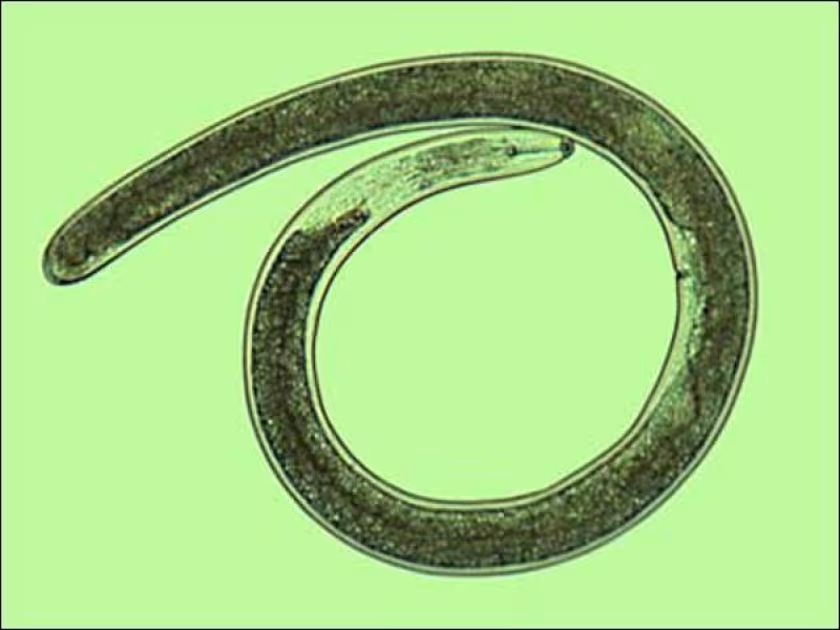
Hoplolaimus, commonly known as the lance nematode, is a genus of plant-parasitic nematodes. These organisms are recognized as serious pests that inhabit the soil and feed on plant root systems.
The pathogen utilizes a robust stylet to pierce root tissues. Unlike some sedentary nematodes, lance nematodes are highly mobile and can move through the soil to seek out healthier roots.
Their biological cycle includes the egg stage, four larval molts, and the adult stage. They are capable of invading the root cortex, causing significant cellular damage and tissue disruption.
These nematodes are classified as obligate parasites, meaning they depend entirely on host plants for survival and reproduction. They feed by injecting enzymes into root cells and ingesting the contents.
A wide variety of plants are susceptible, including watermelon, carnations, sweetgum (Liquidambar), plane trees (Platanus), red clover, and elm trees.
Conditions for development
Lance nematodes thrive in well-aerated, sandy or loamy soils. These soil types facilitate the ease of movement required for the nematodes to locate host roots efficiently.
Moderate to high soil moisture is crucial, as these pests rely on thin films of water in the soil pores to migrate. Prolonged flooding can limit their activity, but drought generally does not eradicate them.
Optimal growth temperatures for these nematodes usually coincide with the active growing season of their host crops, allowing for multiple generations per year.
Spread is primarily human-mediated, occurring through the movement of infested soil on farm machinery, tools, and contaminated nursery stock.
Monocropping is a major driver of population increases, as it provides a constant, predictable food source for the nematodes, leading to significant buildup in the soil over time.
Why it matters
The primary damage caused by Hoplolaimus is the inhibition of root function. By damaging the root system, they severely impact the plant's ability to absorb water and essential nutrients.
Infested plants become highly susceptible to environmental stress, especially drought and heat, which significantly reduces the final yield and market quality of crops like watermelons.
Lance nematodes act as predisposing agents for various fungal and bacterial infections. The wounds they create allow pathogens to enter, often leading to severe root rot diseases.
In commercial nurseries, a Hoplolaimus infestation can result in the rejection of plant batches, such as sweetgum or other ornamental trees, causing substantial financial losses.
For crops like red clover, nematode pressure can cause patches of dieback in fields, leading to uneven stands and necessitating costly replanting or renovation efforts.
Protection
Crop rotation is the most effective management strategy. By alternating with non-host crops for several seasons, growers can starve the nematode population.
Rigorous sanitation of all tools and equipment used on infested soil is essential to prevent the spread of nematodes to non-contaminated parts of the farm.
The use of certified, clean planting material is the first line of defense. Always inspect the roots of nursery stock before transplanting to ensure they are free from visible lesions.
Biological control methods, including the incorporation of nematode-suppressive green manures, can help create an environment less favorable for nematode reproduction.
In high-value agricultural settings, chemical nematicides can be used if regulations permit, though they should always be integrated with cultural practices for long-term control.
Pathogens and affected parts
Affects crops · 6
Discussion
No discussions yet — be the first.