
Smodingium
Smodingium
Smodingium is a monotypic genus of flowering plants belonging to the Anacardiaceae family. The only representative of this genus is Smodingium argutum, which naturally occurs exclusively in the southern regions of Africa.
What the section contains

Smodingium
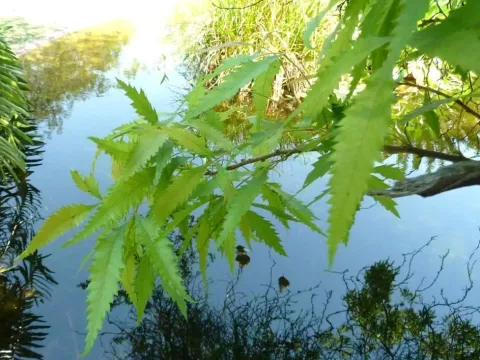
The plant grows as a large shrub or a small tree that can reach several meters in height under favorable conditions. Its leaves feature a distinctive serrated shape, which is reflected in its species name, providing significant aesthetic value.
The species has specific lighting requirements: it needs ample direct sunlight to ensure proper growth and to maintain the rich coloration of its foliage. The plant is well-adapted to short periods of drought, reflecting its evolution in the South African climate.
Preferred soil conditions include well-drained substrates with a neutral to slightly acidic pH. In cultivation, it is critical to prevent waterlogging in the root zone, as the root system is highly sensitive to excessive moisture and compacted soil.
Regarding its utility, Smodingium is primarily used in ornamental horticulture as a specimen plant or as part of garden hedges in regions with mild climates. It should be noted that the sap can cause skin irritation, similar to other members of the Anacardiaceae family.
Fungal infections pose the primary threat to the plant, usually resulting from improper irrigation practices and poor canopy ventilation. Persistent moisture on the leaves, combined with high humidity, can lead to foliage spotting.
Common pests in its native range include various sap-sucking insects, such as aphids and scale insects, which target young shoots. Regular inspection of the underside of the leaves is necessary to detect and manage these colonies early.
Root rot remains the most serious pathological risk, often caused by pathogenic fungi from the Phytophthora genus. Prevention relies on strictly controlled watering and the use of light, sandy soil mixes that provide excellent drainage.
In ornamental cultivation, systemic insecticides with a broad spectrum of activity are used to control pest populations. It is important to perform these treatments during the early morning or evening to prevent chemical burns on the leaf surface caused by sun exposure.
While the biological resistance of Smodingium to pests is generally higher than that of many non-native species, the plant's immunity significantly declines if protective agrotechnical measures are neglected.