
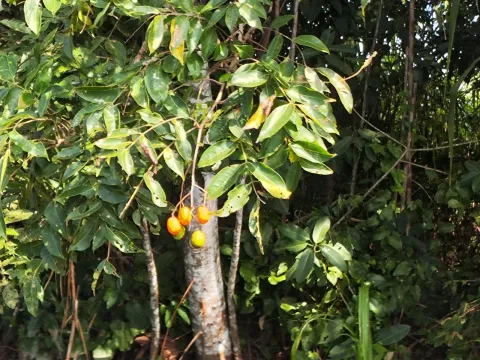
Spondias
Spondias
Spondias is typically propagated vegetatively through stem cuttings, which ensures that the new trees maintain the genetic and productive traits of the parent plant. Cuttings ranging from 30 to 50 centimeters in length are planted in nursery beds or directly in the field at the onset of the rainy season.
What the section contains


Spondias
Seed propagation is also possible, though it is less common for commercial orchards due to the variability in fruit quality among seedlings. Seeds should be planted in well-drained, nutrient-rich soil and kept moist to facilitate uniform germination.
The standard planting distance varies between 6 to 10 meters, depending on the vigor of the specific species and the intended management style. Proper spacing is crucial to prevent overcrowding, which can hinder the development of the tree canopy and limit sunlight penetration.
For optimal establishment, planting pits are enriched with organic matter and balanced fertilizers. Care must be taken to plant the seedlings at the same depth they occupied in the nursery to avoid stem decay and promote healthy root development.
Young Spondias trees require frequent irrigation during the first year, particularly during dry spells, to support the growth of their root systems. As the trees mature, they become more resilient to dry conditions due to their deep-reaching taproots.
Spondias belongs to the Anacardiaceae family and thrives in tropical and subtropical climates, requiring consistently warm temperatures. It is highly sensitive to frost, with growth severely restricted or halted if temperatures drop near or below freezing.
The tree prefers well-drained soils, including loams and sandy soils, with a neutral to slightly acidic pH. It is intolerant of waterlogged soil conditions, which frequently lead to root rot; therefore, selecting sites with effective natural or artificial drainage is paramount.
Spondias is a sun-loving plant that requires full exposure to sunlight to reach its maximum yield potential. Insufficient sunlight leads to sparse foliage and lower sugar concentration in the fruits, negatively impacting their commercial quality.
The species is well-adapted to environments with a distinct dry season, during which it may undergo a period of dormancy or leaf shedding to conserve moisture. Once the rainy season returns, the tree resumes vigorous growth and flowering.
Moderate humidity is beneficial for the development of flowers and fruit set, whereas excessively dry winds during the flowering stage can lead to dehydration and premature dropping of buds.
Yields for Spondias depend heavily on the maturity of the tree, local environmental conditions, and the level of agronomic care provided. A mature, healthy tree can produce between 50 and 150 kilograms of fruit per season, depending on the intensity of the bloom.
Under favorable conditions, the tree may exhibit multiple flowering cycles throughout the year. Strategic pruning and balanced fertilization are essential practices to ensure that the tree maintains enough energy to support successive heavy harvests.
The harvesting period for Spondias is typically staggered, as fruits on a single tree do not ripen simultaneously. Workers must inspect the trees frequently to collect fruits at the correct stage of maturity to avoid losses from over-ripening or pest attacks.
Commercial utilization of the harvest includes fresh fruit consumption, juice production, jams, and preserves. The nutritional value of the fruit, characterized by a high content of vitamins and essential minerals, adds to its market demand.
Post-harvest handling is critical because the fruit is delicate and prone to rapid spoilage. Processing facilities are often located near the orchards to convert the fresh harvest into stable products within hours of picking.
Fruit flies are among the primary pests threatening Spondias orchards, as they lay eggs in the developing fruit. The use of pheromone traps and biological control agents is recommended to maintain populations at manageable levels without chemical overuse.
Fungal diseases like anthracnose pose a significant threat, especially in humid conditions. Preventive measures such as regular pruning for better airflow and the removal of infected branches are crucial for maintaining orchard health.
Aphids and scale insects often attack young shoots, draining the plant's resources and causing growth retardation. Regular monitoring and the application of organic soaps or neem-based pesticides can help control these infestations.
Root rot, driven by poor soil drainage, can lead to the decline of entire trees. Monitoring for yellowing leaves and reduced vigor can help identify these issues early, allowing for potential interventions like soil amendment or irrigation adjustments.
Wood-boring beetles can cause structural damage to the tree trunks, potentially creating entry points for secondary infections. Routine orchard inspections are necessary to detect and treat these pests at the first sign of drilling activity.
Harvesting Spondias is a labor-intensive process performed strictly by hand to protect the fruit's fragile skin. Using poles with collection baskets is a common method for reaching the fruits in the upper canopy without damaging them.
Fruits are placed into soft, padded containers to prevent bruising, which is the most frequent cause of post-harvest rot. Any fruit that hits the ground during the harvest is typically discarded, as it begins to ferment quickly.
The maturity of the fruit is assessed based on color change and skin texture. Experienced workers identify the harvest window when the fruit attains its peak flavor and sugar content while remaining firm enough for transport.
Post-harvest cooling is used to lower the respiration rate of the fruits, effectively extending their shelf life. This is a common practice for large-scale operations aiming to reach distant markets with high-quality produce.
Packaging involves using ventilated crates to facilitate airflow around the fruits. This prevents moisture buildup, which can create ideal conditions for mold growth during the transit of the harvest to markets or processing facilities.