
Spondias radlkoferi
Spondias radlkoferi
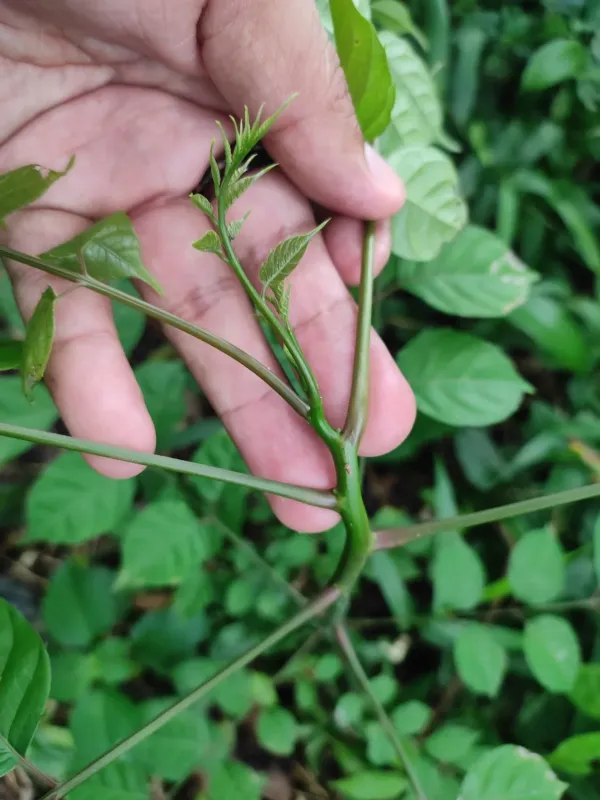
Description
Growing requirements
Spondias radlkoferi is a prominent fruit-bearing tree belonging to the Anacardiaceae family. It is native to the tropical forests of Central and South America, where it thrives in warm and humid environments.
This species requires high annual rainfall and consistent temperatures to maintain its vegetative vigor. It is highly sensitive to frost, making it unsuitable for cultivation in temperate climate zones without specialized controlled environments.
The tree prefers deep, fertile, and well-drained soils. While it can adapt to various soil types, waterlogging must be avoided to prevent root diseases, which the species is quite susceptible to in stagnant conditions.
Light requirements for Spondias radlkoferi are significant; the tree needs full sun exposure to develop a robust canopy and ensure proper fruit maturation. Partial shading may result in leggy growth and reduced yields.
Proper spacing during the establishment phase is essential for long-term productivity. As the tree matures, it forms a large crown, requiring enough room to ensure adequate air circulation and light penetration throughout its structure.
Yield
The primary economic value of Spondias radlkoferi lies in its delicious, vitamin-rich fruits. The pulp is succulent and aromatic, frequently consumed fresh or processed into refreshing beverages and jellies.
Yield production is influenced by the genetic potential of the cultivar and the environmental conditions. In well-managed orchards, the trees can produce substantial annual crops once they reach sexual maturity.
Harvesting is typically done by hand due to the stature of the trees and the delicate nature of the fruits. Proper timing of the harvest is crucial to balance the sweetness of the pulp with the firmness required for market distribution.
Beyond the fruit, the wood of the tree is occasionally used for local construction, valued for its moderate weight and utility in artisanal woodcrafts. However, the fruit remains the dominant product in modern agricultural models.
The global demand for exotic fruits continues to rise, positioning Spondias radlkoferi as a crop with potential for small-scale and semi-industrial farms. Research into dwarf varieties aims to make harvest operations more efficient.
Main diseases and pests
Management of pests and diseases is a critical aspect of Spondias radlkoferi cultivation. High humidity levels in tropical regions often facilitate the rapid spread of fungal pathogens if not managed properly.
Integrated Pest Management (IPM) is the recommended approach for this culture, prioritizing biological controls and environmental management over excessive chemical intervention to protect soil health.
- Anthracnose causing fruit rot.
- Leaf spot diseases reducing photosynthetic efficiency.
- Fruit flies targeting the ripening drupes.
- Scale insects and aphids on tender new growth.
- Root rot caused by poor soil drainage.
Regular maintenance pruning is essential to improve airflow within the canopy, which effectively reduces the incidence of fungal outbreaks. Removing dead or diseased branches helps to maintain the overall vigor of the tree.
Planting in well-drained areas and ensuring optimal soil nutrition helps the tree develop a strong defense system. By maintaining good orchard hygiene, growers can significantly lower the risk of pest infestations and crop loss.