
Spondias pinnata
Spondias pinnata
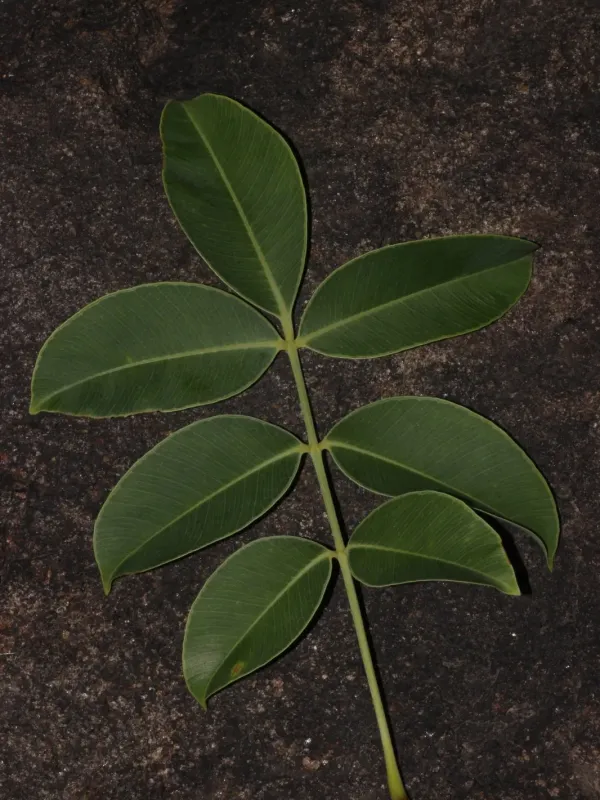
Description
Sowing dates
Spondias pinnata is typically propagated through seeds or vegetative cuttings, depending on the desired genetic consistency of the orchard.
Seeds should be planted in a loose, well-draining potting medium, ensuring that they are kept moist until germination occurs after a few weeks.
Sowing is most effective during the onset of the monsoon season, as the increased humidity and warmth accelerate the establishment of the seedlings.
Vegetative propagation using semi-hardwood cuttings is preferred for commercial plantations to ensure uniform fruit quality and shorter time to harvest.
Young plants should be carefully transitioned to the field, providing temporary shade to protect them from high solar radiation during the first year.
Growing requirements
Belonging to the Anacardiaceae family, Spondias pinnata thrives in tropical environments characterized by high temperatures and consistent rainfall patterns.
The crop requires deep, fertile, and well-drained soils to prevent root-related issues, as the tree is sensitive to waterlogging and anaerobic soil conditions.
A location with full sun exposure is ideal for the tree's architecture, as it encourages dense branching and improves the overall sugar content of the fruit.
The tree is relatively hardy once established but requires protection from severe frost or prolonged cold spells, which can severely damage the canopy.
Adequate spacing, typically 8 to 10 meters between trees, is necessary to facilitate airflow and simplify orchard management practices such as pruning.
Yield
The time to first harvest usually spans from 5 to 7 years after planting, depending on environmental factors and the level of horticultural management.
A healthy, mature tree can produce a substantial yield, often bearing hundreds of fruits per season in optimal growing conditions.
The harvest is conducted by picking ripe fruits individually or in clusters, taking care not to bruise the soft skin which is prone to post-harvest decay.
Yield stability is supported by regular pruning, which removes dead wood and promotes the growth of new fruiting spurs throughout the canopy.
Strategic irrigation during the fruit-set and development phases can significantly increase the total yield and the size of the individual fruits.
Main diseases and pests
Pest pressure is primarily driven by fruit flies, which pose a major threat to commercial fruit production by damaging the developing crop.
Fungal infections, particularly root rot, can occur if the plantation is situated in low-lying areas where water drainage is suboptimal.
Leaf-eating insects and scale insects may occasionally infest the trees, causing foliage loss and reducing the tree's photosynthetic efficiency.
Integrated pest management (IPM) strategies, including pheromone traps and biological controls, are recommended to minimize the reliance on chemical pesticides.
Regular visual inspections are crucial to catch infestations early and apply localized treatments before they affect the entire orchard block.
Harvesting
Harvesting is performed when the fruits reach physiological maturity, identified by a change in color and a characteristic pleasant aroma.
The fruits are highly versatile and are consumed fresh, or processed into preserves, jellies, and beverages that are popular in local markets.
Beyond the fruit, parts of the tree, including the bark and leaves, are sometimes utilized in traditional medicine due to their bioactive properties.
Post-harvest management is critical; fruits should be handled with care and stored in cool, airy conditions to extend their shelf life before distribution.
Proper packaging materials, such as ventilated crates, are essential to minimize bruising and spoilage during transportation to local or regional markets.