
Spondias mangifera
Spondias mangifera
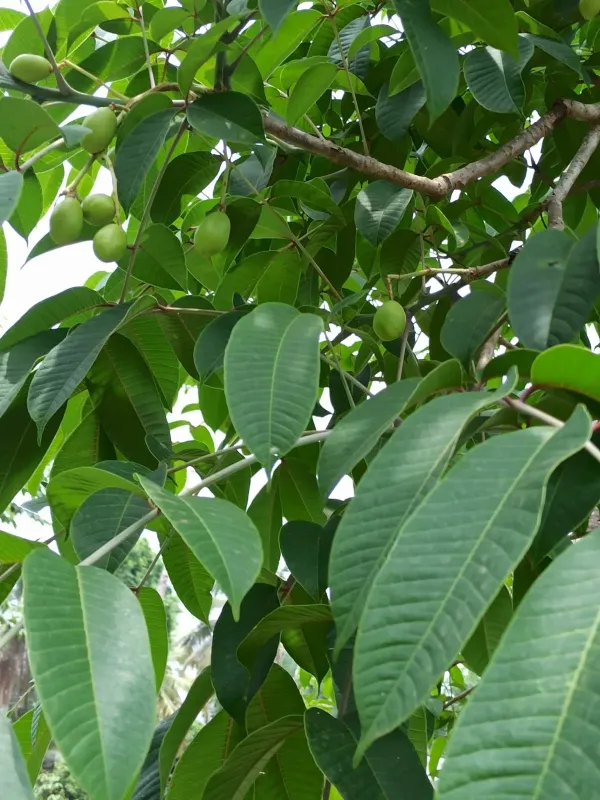
Description
Growing requirements
Spondias mangifera, commonly known as the hog plum, is a deciduous tree belonging to the Anacardiaceae family. It is recognized for its thick, sturdy trunk and dense canopy that provides essential shade in its native tropical habitats.
The plant originates from the tropical forests of South and Southeast Asia. It thrives in regions characterized by warm, humid climates, requiring ample sunlight to trigger the production of its flavorful fruits.
Successful cultivation of this species depends on well-drained, fertile soil. It is particularly sensitive to waterlogging, thus ensuring soil permeability is essential for maintaining a healthy and productive root system.
Climatically, the tree prefers temperatures ranging from 20°C to 35°C. While it is somewhat drought-tolerant once established, supplemental irrigation during the initial stages of growth significantly enhances overall tree vigor.
Economically, the tree is valued for its fruits, which are processed into pickles, chutneys, and juices. The bark and leaves are also utilized in folk medicine, reflecting the cultural and agricultural significance of the plant.
Main diseases and pests
Major threats to Spondias mangifera include various fungal pathogens that flourish in high-humidity environments. These pathogens typically cause leaf spots and fruit rot if not properly managed.
Pests such as aphids and scale insects are common occurrences. They feed on the sap of young branches, which can stunt tree growth and reduce its overall reproductive capacity over time.
Fruit flies pose a specific threat during the ripening phase, as they lay eggs within the fruit. Effective pest control requires a combination of netting, biological traps, and diligent monitoring.
Maintaining proper tree spacing is a critical agricultural practice to ensure adequate airflow and sunlight penetration, which serves as a natural deterrent against many fungal infections.
Integrated pest management strategies focusing on early detection and the use of targeted biological controls are recommended to maintain high yield standards without relying heavily on synthetic chemicals.