
Smodingium argutum
Smodingium argutum
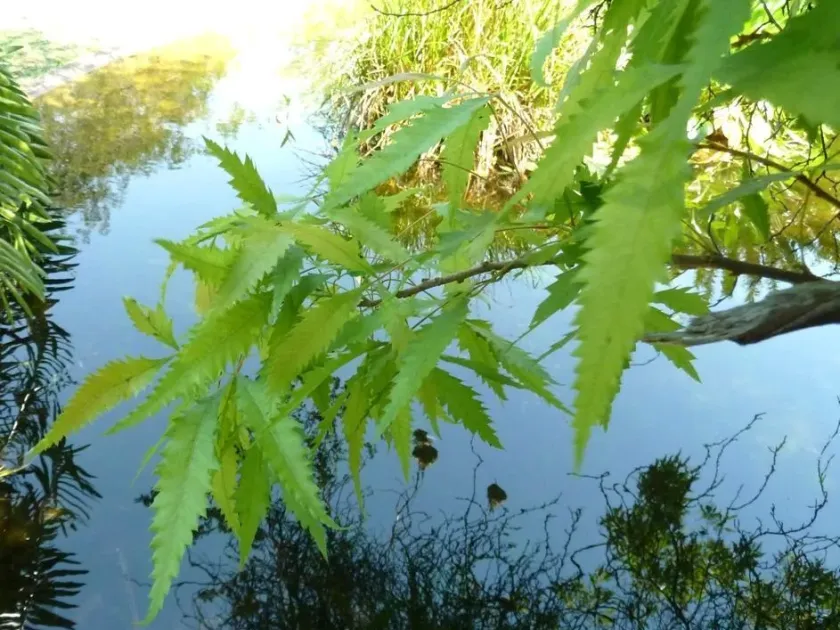
Description
Growing requirements
Smodingium argutum, commonly known as the African poison ivy, is a deciduous shrub native to the Eastern Cape of South Africa. As a member of the Anacardiaceae family, it shares genetic characteristics with other well-known sumacs and is prized for its botanical interest.
The plant thrives in regions with sunny exposure and requires soil that provides excellent drainage. In its natural habitat, it is often found on slopes and forest margins, which dictates its preference for well-aerated substrates in a landscape setting.
Botanically, the plant is characterized by its serrated leaflets and woody stems. It can grow up to several meters in height, creating a distinct structural element in botanical gardens or specialized collections, provided there is enough space for its development.
Cultivation requirements include a temperate to subtropical climate. While it is quite hardy against drought, it does not tolerate cold, frosty winters, which can damage its wood and inhibit growth in the following season.
Safety is a paramount consideration when managing this plant. It contains urushiol, an oil that can cause severe skin irritation. Protective gear, including long sleeves and gloves, is essential for any handling, pruning, or maintenance activities.
Main diseases and pests
The primary threats to Smodingium argutum include root pathogens caused by waterlogging. Poor soil drainage remains the most significant risk factor for the longevity of the plant, often leading to rapid decline.
Pest issues usually involve leaf-eating insects and sap-suckers that emerge during warmer months. These pests can weaken the plant and serve as vectors for secondary bacterial or fungal infections within the foliage.
Monitoring for signs of distress, such as leaf chlorosis or localized necrosis, is crucial for early detection of potential threats. Keeping the surrounding area clear of leaf litter can help reduce the pressure from soil-borne pathogens.
For chemical control, products should be used sparingly and only when necessary. Integrated pest management strategies, focusing on habitat optimization, are generally more effective than relying solely on chemical intervention.
Ultimately, providing optimal growing conditions—specifically regarding drainage and light—serves as the best defense against most diseases. A healthy, well-situated plant is far less susceptible to common ornamental pests and infections.