
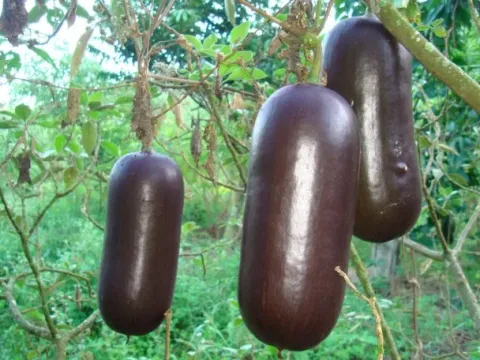
Sicana
Sicana
Sicana, known botanically as Sicana odorifera, is a vigorous perennial vine native to tropical South America, typically grown as an annual in temperate regions. Seeds should be started indoors in biodegradable pots 4 to 6 weeks before the last expected frost.
What the section contains

Sicana
The germination process requires warm conditions, ideally between 22 and 25 degrees Celsius. Keeping the soil consistently moist but not waterlogged is crucial for successful seedling development.
Once all risks of frost have passed and the soil has sufficiently warmed, seedlings can be transplanted into the outdoor garden. Acclimatization is essential to prevent shock during the transition.
Given its robust growth, each plant requires a significant amount of space, ideally spaced 1.5 to 2 meters apart to allow for proper airflow and root expansion.
Sturdy support structures like heavy-duty trellises or overhead arbors are necessary, as the vine can grow to impressive lengths and the mature fruits are quite heavy.
This crop thrives in bright, direct sunlight and requires a long, frost-free growing season to reach full maturity. Sites with good southern or western exposure are generally preferred.
A well-draining, nutrient-rich soil with a neutral pH is optimal for sicana. Amending the soil with compost or well-rotted manure before planting will support the plant's intense metabolic demands.
Consistent irrigation is vital during the growing season. While the vine needs plenty of water, it is susceptible to root rot, so proper drainage and monitoring of soil moisture are key.
As a member of the Cucurbitaceae family, sicana responds well to balanced fertilization, particularly applications that support flowering and fruit set as the plant matures.
Protection from strong, cold winds is important, as the leaves are large and can be easily damaged, which in turn reduces the plant's photosynthetic capacity.
The most common pests include spider mites and aphids, which tend to infest the undersides of the leaves, especially during periods of hot, dry weather.
Fungal diseases like powdery mildew can become a major concern if air circulation is poor or if the foliage remains wet for extended periods.
Root-knot nematodes can be problematic in soils that have previously held other cucurbit crops, making site rotation a vital practice for long-term cultivation health.
To prevent fruit damage, it is advisable to ensure that developing melons are not resting directly on damp soil, which can lead to bacterial rot.
Integrated pest management strategies, including the use of neem oil or insecticidal soaps, are generally effective in controlling early outbreaks of common vine pests.
Harvesting should take place when the fruits have reached their full color—ranging from deep purple to yellow-orange—and emit a strong, pleasant, musk-like fragrance.
The flavor profile of sicana is distinct, often described as a blend of melon and apple, making it a versatile ingredient for both fresh consumption and cooked culinary applications.
One of the notable traits of sicana is its excellent shelf life; the fruits can be stored for several months in a cool, dry place without losing quality.
When cutting the fruit from the vine, it is recommended to leave a portion of the stem intact to help seal the fruit and prevent spoilage during storage.
Beyond its culinary utility, the fruit serves as a traditional household air freshener due to its potent, natural aroma, which can perfume a room for several weeks after harvest.