
Sicana odorifera
Sicana odorifera (Vell.) Naudin
Description
Sowing dates
Sicana odorifera, commonly known as the cassabanana or musk cucumber, is a vigorous perennial vine belonging to the Cucurbitaceae family. In temperate zones, it is typically cultivated as an annual, started indoors to ensure a long enough growing season.
Seeds should be soaked in warm water for 24 hours prior to planting to enhance germination. They are sown in individual peat pots, as the plant possesses a sensitive root system that does not tolerate disturbance or transplant shock well.
Providing supplemental lighting is essential during the seedling stage to prevent leggy growth. The plants should be kept at temperatures between 20°C and 25°C to promote robust early development before outdoor transfer.
Transplanting to the permanent location in the garden must only occur after the risk of frost has completely passed and soil temperatures have reached at least 18°C. Cold-stressed seedlings often struggle to recover and may remain stunted.
Using a greenhouse or a sunny, sheltered south-facing wall can significantly improve the success rate of this tropical vine in cooler regions, allowing for a longer period of vegetative growth and fruit maturation.
Growing requirements
This species thrives in nutrient-rich, deep, and well-draining soils with a neutral pH. The addition of substantial amounts of well-rotted compost or manure prior to planting is highly recommended for vigorous vine production.
As a fast-growing climber, Sicana odorifera requires a sturdy, high-reaching trellis system. The stems can easily reach lengths of 10–15 meters, so horizontal and vertical space must be managed efficiently.
Water availability is critical; the plant requires consistent moisture to support its rapid growth and large leaf surface area. Mulching around the base of the plant helps retain soil moisture and prevents root zone overheating.
The plant demands full sun exposure to initiate flowering and fruit set. In shaded environments, the vine may grow lush but will fail to produce fruit, as it requires high light intensity for metabolic processes.
Optimal temperatures for Sicana odorifera range from 25°C to 30°C. Growth slows significantly below 15°C, making it unsuitable for high-altitude or cool maritime climates without specialized protective structures.
Yield
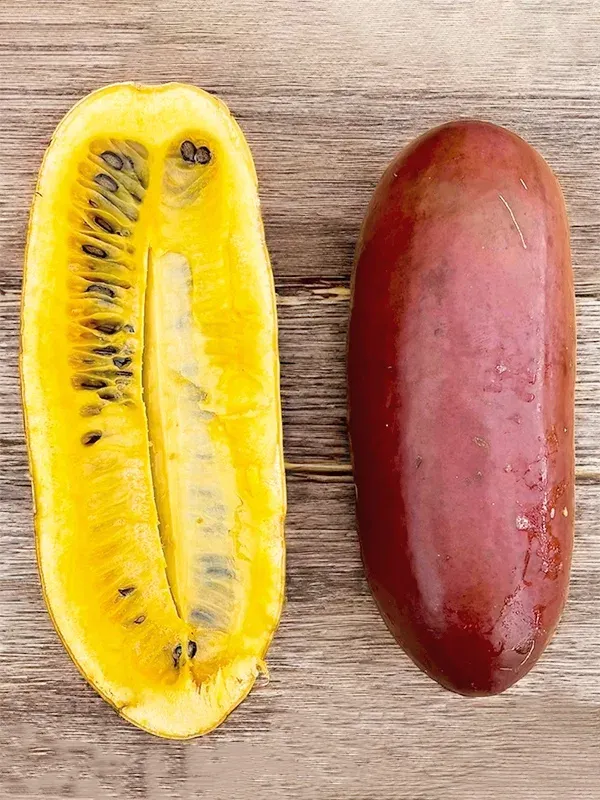
A single, healthy vine can produce a substantial harvest of 10 to 20 large, cylindrical fruits. These fruits reach lengths of up to 60 cm and are prized for their intense, pleasant, melon-like fragrance.
When mature, the fruits transition into vibrant colors such as deep red, maroon, or yellow. The strong scent serves as a natural indicator that the fruit is ready for harvesting, often filling an entire room if stored indoors.
Cassabanana fruits are celebrated for their long shelf life, lasting for several months at room temperature. This durability makes them an excellent crop for home gardeners seeking to extend the produce season into winter.
In culinary applications, the ripe flesh is used to make preserves, jams, and refreshing beverages. Its sweet, distinctive flavor profile makes it a unique addition to tropical fruit desserts and salads.
Young, unripe fruits are also harvested and prepared in cooked dishes, serving as a substitute for squash or zucchini in soups, stews, and savory stir-fries, showing high versatility.
Main diseases and pests
The most common pests affecting Sicana odorifera are spider mites and aphids, which thrive in hot, dry weather. These pests can rapidly colonize the large leaves, causing them to yellow and wilt if left untreated.
Powdery mildew is a frequent fungal threat, particularly in environments with poor air circulation and fluctuating humidity levels. Maintaining space between vines is a key cultural control method.
Root rot can be a significant issue in poorly drained soils or during excessive rainfall. Ensuring that the planting site has adequate drainage and using raised beds can effectively mitigate this risk.
Integrated Pest Management strategies, including the use of neem oil or insecticidal soaps, are generally effective if applied early in the infestation cycle. Preventive monitoring of the underside of leaves is highly recommended.
- Monitor leaf undersides weekly for aphid colonies
- Ensure high airflow through the trellis structure
- Use drip irrigation to avoid wetting the foliage unnecessarily