
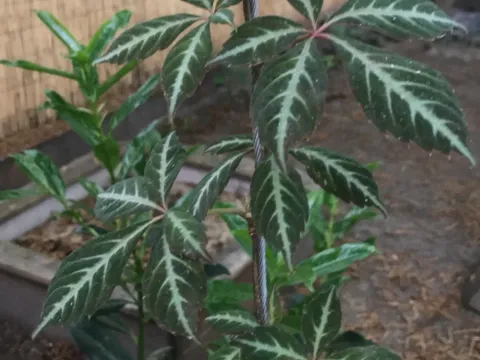
Yua
Yua
The genus Yua represents a group of woody climbing plants belonging to the Vitaceae family. These plants are characterized by their rapid growth and the ability to climb using specialized tendrils, which allows them to thrive in forest canopies or on man-made structures.
What the section contains

Yua
Native to parts of East Asia, particularly China, these vines prefer climates that provide moderate temperatures and consistent moisture throughout the growing season. They are well-adapted to environments where they can access filtered sunlight while keeping their root systems cool.
Successful cultivation requires soil that is rich in organic matter and possesses excellent drainage properties. A slightly acidic to neutral soil pH is ideal for maintaining the nutrient uptake necessary for the vigorous development of the vine's foliage.
Water management is a crucial aspect of Yua agronomy. While the plant requires regular hydration, it is essential to avoid waterlogged conditions, which can quickly lead to root rot. Mulching is highly recommended to regulate soil temperature and retain moisture.
The training of the vine is essential for aesthetic and physiological reasons. Providing robust support structures like trellises or sturdy wire fences ensures that the plant develops a balanced framework, facilitating easier maintenance and pruning operations.
Like many members of the Vitaceae family, Yua is susceptible to common fungal pathogens such as downy mildew and powdery mildew. These diseases thrive in stagnant, humid air, making airflow management a priority for any grower.
Insect pests such as spider mites and scale insects frequently target the succulent growth of the vine. These pests can significantly stunt the growth of young shoots if left unchecked, potentially leading to systemic damage over several seasons.
Integrated Pest Management (IPM) is the most effective approach for Yua. This includes early detection through regular scouting of leaves and the application of horticultural oils or soap sprays when infestations reach an economic threshold.
Sanitation practices play a vital role in preventing the spread of diseases. It is advised to prune and remove any infected material promptly and ensure that garden tools are sanitized between pruning sessions to prevent cross-contamination.
Choosing the right site with sufficient natural ventilation reduces the reliance on chemical treatments. By mimicking the natural growth conditions of the forest edge, growers can foster a more resilient plant that is better equipped to withstand environmental stress.