
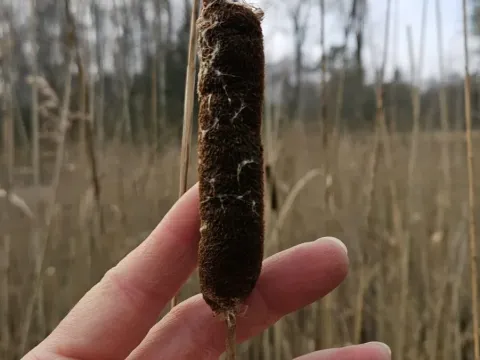
Narrowleaf cattail
Typha angustifolia
Narrowleaf cattail is propagated either via small wind-dispersed seeds or through the division of underground rhizomes, which is the preferred method for commercial plantations.
What the section contains
Narrowleaf cattail
For seed germination, a moist and nutrient-rich mud bed is essential, preferably in shallow areas where the water level can be kept constant during the initial growth stages.
Rhizome planting is conducted during the early spring season, allowing the root system to establish itself before the peak of summer growth and high transpiration rates.
Spacing between plants should be carefully managed to ensure uniform growth, as the species is highly aggressive and naturally tends to form dense, monoculture stands.
Maintaining a specific water depth during the planting period is critical to prevent the floating of the rhizomes and to ensure successful anchoring in the substrate.
Typha angustifolia, belonging to the Typhaceae family, is a highly adaptive emergent aquatic plant that thrives in wetland environments, ponds, and slow-moving rivers.
The plant requires high availability of water and can survive in depths ranging from a few centimeters to over one meter, provided there is enough sunlight exposure.
Soil requirements are relatively flexible; however, the plant exhibits superior vigor in organic-rich silt soils that provide abundant nitrogen and phosphorus for leaf production.
Temperature range should be moderate to warm, though the plant shows significant hardiness in temperate climates, surviving winter dormancy in frozen water bodies.
It is crucial to avoid heavy shading from surrounding trees, as Typha angustifolia is an obligate photophilous species requiring full sun to reach its full vegetative potential.
The biomass productivity of Narrowleaf cattail is exceptionally high, making it a sustainable source of cellulose fiber and bioenergy materials in managed wetlands.
Annual dry matter yields can range from 15 to 35 tonnes per hectare depending on the nutrient availability in the water and the duration of the growing season.
Maximum yields are often achieved in managed phytoremediation systems where the plant is utilized to sequester nutrients from agricultural runoff or treated wastewater.
Regular harvesting encourages the regrowth of young, vigorous shoots, which prevents the build-up of older, lignified stems and promotes higher cumulative seasonal growth.
Sustainable biomass management ensures that the plant remains a renewable resource, contributing to carbon sequestration and effective land use in previously unproductive wetlands.
Pathogenic fungi, particularly those causing leaf rust, are the most frequent biological threat that can reduce the aesthetic and structural quality of the plant stands.
Insects, such as specific leaf-mining larvae, can cause significant cosmetic and physiological damage by creating tunnels within the leaf tissue, hindering photosynthesis.
Hydrological instability, such as rapid drawdown or extreme flood events, can disrupt the plant's ability to maintain healthy root systems and affect overall stand density.
Wildlife impact, especially by rodents like muskrats, can be severe if populations are not controlled, as they feed extensively on the nutrient-rich rhizomes of the plant.
Pollution by heavy metals or industrial chemicals, while absorbed by the plant, can eventually limit its longevity and health if concentrations exceed the plant's physiological tolerance.
Harvesting is typically performed in late autumn or mid-winter, a time when the foliage is drier and nutrient translocation to the rhizomes is complete, ensuring plant survival.
Mechanical harvesting equipment, such as amphibious harvesters or modified mowers, is used to cut the biomass directly from the wet substrate or the frozen ice surface.
Once harvested, the plant material must be air-dried or processed through industrial dryers to achieve the low moisture content required for efficient combustion or fiber processing.
Post-harvest management often includes careful removal of debris to maintain water flow and prevent the accumulation of organic matter that could lead to anaerobic water conditions.
Timing the harvest is critical; early spring harvesting should be strictly avoided to prevent disruption of the plant's natural nutrient storage and regrowth cycle.