
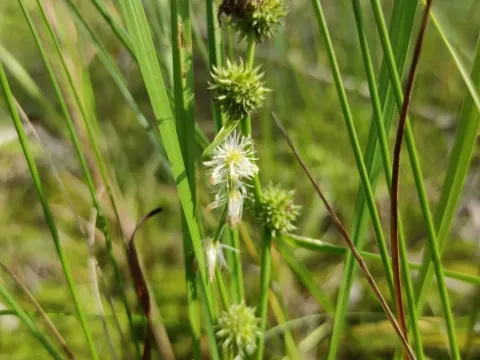
Sparganium antipodum
Sparganium antipodum
Sparganium antipodum, commonly known as a type of bur-reed, is a perennial herbaceous plant belonging to the Typhaceae family. It is endemic to New Zealand and is primarily found in wetland habitats, riparian zones, and slow-moving stream margins.
What the section contains
Sparganium antipodum
This species is highly adapted to water-saturated environments. Its morphology features long, strap-like leaves that rise above the water surface and distinct, spherical inflorescences that serve as a diagnostic feature for the genus.
The plant thrives in nutrient-rich silty soils typical of marshes and stream beds. It requires stable hydrological conditions to survive, as it relies on the water medium for structural support and nutrient absorption through its adventitious roots.
Regarding its ecological role, the species acts as a stabilizer for riverbanks and as a biological filter. Its ability to absorb excess phosphorus and nitrogen makes it a potential candidate for sustainable wastewater management in agro-ecological projects.
As an aquatic crop, it demonstrates significant resilience to seasonal temperature changes within its native temperate zone, allowing it to maintain a consistent vegetative cycle throughout the year.
The main threat to Sparganium antipodum is the degradation of its natural wetland habitats due to agricultural runoff, drainage for land development, and significant changes in water level management.
Invasive aquatic weeds, such as various species of Elodea, pose a severe threat by overshading the water surface and outcompeting the bur-reed for light and space, eventually leading to local extinctions.
Pathogenic organisms, particularly aquatic fungi that thrive in stagnant, oxygen-depleted water, can cause root and stem rot. Maintaining adequate water circulation is critical to mitigating these risks in managed plantations.
Herbivorous insects, including certain aquatic beetles and larvae, can cause structural damage to the leaf tissue, which inhibits the plant's photosynthetic efficiency and overall growth rate during peak seasons.
Pollution from agricultural chemicals, including herbicides and excessive fertilizers, can alter the chemical composition of the water, making the environment unsuitable for the sensitive growth stages of this native aquatic plant.