
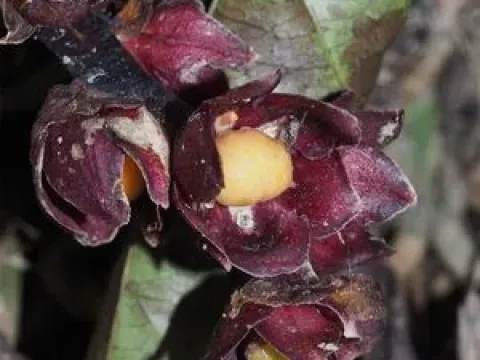
Tupistra
Tupistra
Tupistra is a genus of perennial evergreen plants belonging to the Asparagaceae family. Native to the tropical and subtropical forests of East and Southeast Asia, these plants have adapted to flourish in environments with low light and stable, humid conditions.
What the section contains
Tupistra
Botanically, the plant is characterized by a thick, fleshy rhizome and long, leathery, dark green leaves forming an elegant rosette. It is a slow-growing species, favored in horticulture for its longevity and ability to survive in relatively austere conditions where other ornamental plants might struggle.
For successful cultivation, Tupistra requires a nutrient-rich, well-draining soil mixture. A balanced potting medium with adequate organic matter ensures proper development while preventing waterlogged conditions that could be detrimental to the plant's expansive root system.
Climatic requirements are focused on maintaining moderate temperatures, ideally between 18°C and 24°C. While the plant is notably shade-tolerant, it thrives in bright, indirect light, which promotes healthy leaf texture and prevents excessive stretching of the foliage.
In terms of хозяйственного использования (agricultural/ornamental utility), Tupistra is primarily cultivated as a high-end ornamental plant. Its resilient nature makes it highly valued for interior landscaping and specialized collections where low-maintenance, evergreen foliage is required.
Common pests that can affect the health of Tupistra include spider mites and scale insects, which often appear when the plant is kept in environments with poor air circulation or low humidity. Regular cleaning of the leaves and monitoring the underside are effective prevention strategies.
Fungal diseases, specifically root rot, pose the most significant threat to the culture. This condition is almost exclusively linked to overwatering or insufficient drainage, emphasizing the need for strict adherence to controlled watering schedules throughout the year.