
Tupidanthus
Tupidanthus
Tupidanthus, taxonomically recognized as Schefflera calyptrata, belongs to the Araliaceae family. Originating from the tropical regions of Southeast Asia, this species serves as a robust ornamental shrub or small tree in specialized horticultural settings.
What the section contains
Tupidanthus
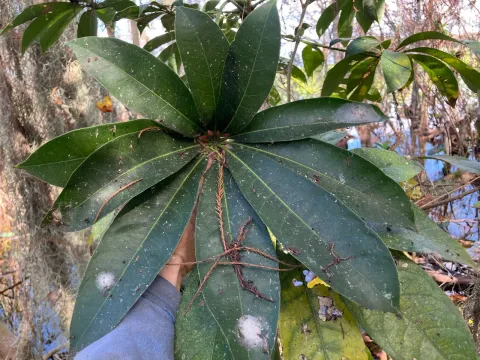
Botanically, the plant is defined by its impressive palmately compound leaves that grow in circular whorls around a central petiole. These leaves are thick and leathery, making the plant visually striking and highly desirable for interior landscaping.
The crop demands a climate characterized by high atmospheric humidity and moderate temperatures. It thrives best within a range of 18°C to 26°C and is strictly non-hardy, requiring complete protection from frost and freezing conditions.
Soil requirements focus on high drainage capacity and nutrient availability. A mix consisting of peat moss, perlite, and bark is ideal to prevent waterlogging, which is the primary cause of root failure in cultivated specimens.
Proper agronomic practice involves consistent, albeit moderate, irrigation. It is essential to ensure that the substrate is moist but not saturated, as the species is highly susceptible to root hypoxia when the root zone remains water-logged for extended periods.
The most significant pathological threats to Tupidanthus are fungal infections, specifically Pythium and Phytophthora. These often result from poor soil drainage and incorrect irrigation schedules, leading to rapid decay of the root system.
In terms of insect pests, the common culprits include scale insects, mealybugs, and spider mites. Scale insects are particularly persistent, attaching themselves to the undersides of the leaves and stems, causing yellowing and foliage drop.
Spider mites represent a major challenge in dry indoor environments. They pierce the leaf cells to feed on sap, which eventually manifests as stippling and webbing across the canopy, significantly reducing the plant's photosynthetic efficiency.
Management of these pests requires a combined approach of physical removal and the application of systemic insecticides or miticides. Preventive measures such as increasing ambient humidity and regular leaf washing are highly effective.
General plant health is maintained by ensuring adequate air circulation. Stagnant air, combined with high humidity, can promote the growth of foliar diseases, necessitating regular monitoring and integrated pest management practices.