
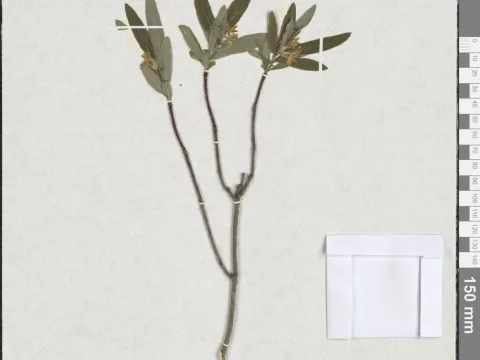
Daphne sophia
Daphne sophia
Daphne sophia is a rare relict species belonging to the Thymelaeaceae family. Its natural habitat is strictly limited to the chalky slopes of the Don river basin, making it a highly specialized plant in cultivation.
What the section contains
Daphne sophia
Propagation is primarily achieved through seeds. Due to seed dormancy, a long period of cold stratification is required to ensure successful germination. Seeds are typically sown in containers in the autumn.
The germination rate can be variable, necessitating careful monitoring of moisture levels in the substrate. Professional nurseries often use specialized soil mixes with a high proportion of mineral components to mirror the plant's native habitat.
Vegetative propagation via cuttings is known to be challenging and requires strict control over humidity and temperature. The use of rooting hormones and mist systems is essential for achieving acceptable rooting results.
Transplanting seedlings to their permanent location must be done with extreme care. The plant possesses a fragile root system that reacts poorly to disturbance, so container-grown specimens should be moved with an intact root ball.
Daphne sophia is a calcicole plant, meaning it thrives in soils rich in calcium. It performs best in limestone or chalky soils that are well-drained and alkaline in nature.
Good drainage is the most critical agronomic factor for this species. Waterlogged soil will rapidly lead to root decay, as the plant is highly susceptible to hypoxia in the rhizosphere.
Regarding light, the species prefers a sunny position but requires partial protection during the hottest hours of the day in warmer climates. Intense direct sunlight can stress the shrub during the peak summer months.
The plant is hardy and adapted to temperate continental climates. However, in the first years of growth, it is advisable to provide winter protection, especially during periods of extreme frost without snow cover.
Watering should be balanced: while the plant demonstrates a degree of drought tolerance, consistent moisture levels during the active growth period are necessary for proper development and flowering.
Fungal pathogens associated with excessive soil moisture are the primary threat to the health of Daphne sophia. Root rot is the most common cause of mortality in nursery and garden settings.
Insect pests, specifically aphids and spider mites, can damage the foliage, particularly when the plant is experiencing heat stress. Integrated pest management using systemic or contact insecticides is recommended.
Competition from weeds is detrimental as it creates a humid microclimate around the base of the plant, promoting fungal diseases. Regular weeding and mineral mulching are recommended to keep the area clear.
Rodents pose a significant danger during winter months, often gnawing on the bark of the shrub. Using protective physical barriers around the base of the plant is a standard preventative measure.
Poor soil aeration caused by compaction can weaken the plant's natural resistance. Maintaining the structure of the soil through light cultivation and avoidance of machinery near the root zone is vital for longevity.