
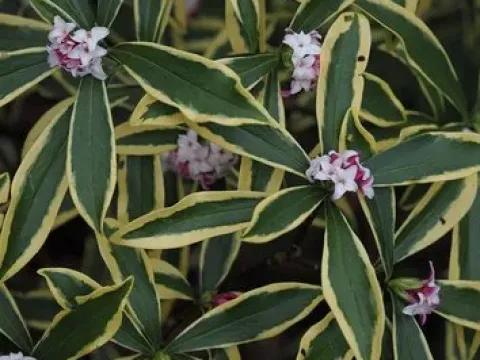
Daphne thauma
Daphne thauma
Daphne thauma is a rare shrub belonging to the Thymelaeaceae family, native to specific high-altitude rocky environments. As a cultivated species, it is highly valued by horticulturists for its unique botanical features and aesthetic appearance.
What the section contains
Daphne thauma
The culture requires a well-drained, slightly alkaline, and mineral-rich substrate to thrive. Poor soil drainage is the most common cause of failure in Daphne cultivation, as stagnant water is detrimental to the plant's sensitive root system.
In terms of climate, Daphne thauma prefers locations with moderate temperatures and protection from intense, direct solar radiation. Partial shade or diffused light conditions are ideal for maintaining the health of its evergreen foliage throughout the year.
Agricultural management involves careful irrigation with low-mineral water to prevent salt accumulation in the root zone. Regular monitoring of the plant's moisture status is essential, as it does not tolerate drought or over-saturation.
The primary use of Daphne thauma is ornamental, often utilized in specialized rock gardens or botanical collections. Due to its slow growth rate, it is not suitable for mass-market production but remains a prized specimen for dedicated plant enthusiasts.
Pathogenic fungi causing root rot are the most significant threat to the health of Daphne thauma. Proper site selection and soil preparation are critical to mitigate the risk of these soil-borne diseases in the early stages of establishment.
Pests such as spider mites and aphids can infest the shrub during dry or warm spells. Integrated pest management, including regular inspection and the use of targeted treatments, is necessary to keep the plant in good condition.
Physical damage from wind or extreme mechanical stress can expose the plant to secondary infections. It is recommended to provide windbreaks in exposed areas to maintain the structural integrity of the branches.
Maintaining a clean growing area by removing debris and weeds helps reduce the reservoir of potential pathogens. Biosecurity practices, such as sanitizing gardening tools, are crucial when working with rare Daphne species.
Constant vigilance against leaf spots and wilting symptoms is recommended for every grower. Early intervention with suitable antifungal agents can prevent the loss of the specimen when symptoms first appear.