
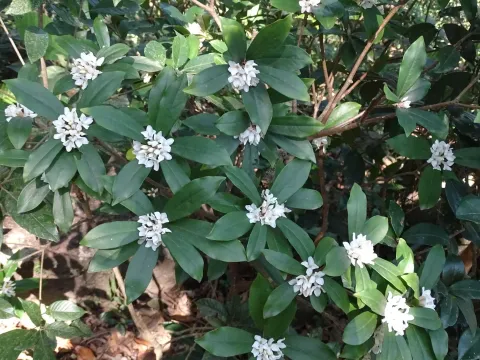
Daphne papyracea
Daphne papyracea
Daphne papyracea is a prominent evergreen shrub belonging to the Thymelaeaceae family. Native to the Himalayan regions and mountainous areas of China and Nepal, this species has historically been utilized for its highly durable fibrous bark.
What the section contains
Daphne papyracea
The cultivation of this species requires a specific microclimate characterized by cool temperatures and significant humidity. It thrives at elevations that prevent extreme heat exposure, making it suitable for mountain-side agricultural systems.
Soil conditions are critical for the health of Daphne papyracea. The plant demands light, well-draining soil with a high organic matter content. Any form of waterlogging is detrimental, often leading to rapid root decay and plant mortality.
Agronomic management involves maintaining consistent moisture levels while ensuring the soil remains aerated. Shade management is also necessary, especially during the plant's juvenile phase, as the leaves are susceptible to high UV intensity.
The primary economic value of this crop lies in the extraction of cellulose fibers from its inner bark. These fibers are world-renowned for their strength and are used in the production of specialized archival paper and traditional handmade artisanal papers.
Root rot caused by Phytophthora species is the most significant pathological threat to Daphne papyracea plantations. This disease typically manifests in poorly drained soils and spreads rapidly if moisture management is not strictly controlled.
Aphids and scale insects represent the most common pest threats, as they colonize the tender tips of young branches. Heavy infestations can cause significant growth stunting and compromise the quality of the bark fibers needed for harvesting.
Powdery mildew is a common fungal issue that arises when the planting density is too high or air circulation is insufficient. The presence of white fungal growth on leaves reduces the plant's photosynthetic capacity significantly.
Mechanical damage to the stems and branches during maintenance activities can create entry points for secondary pathogens. Workers must handle the plants with care, as the bark contains compounds that can irritate human skin upon contact.
Sustainable pest control should focus on integrated management practices, including the use of neem-based oils and biological predators. Because the plant is sensitive to chemical toxicity, excessive use of harsh pesticides should be avoided at all costs.