
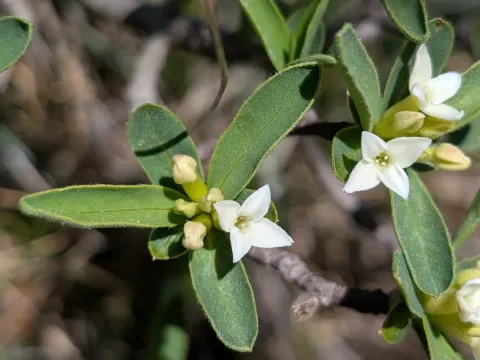
Alpine daphne
Daphne alpina
The propagation of Daphne alpina is typically done through seeds sown in autumn. Seeds require a period of cold stratification to break dormancy, making outdoor sowing in pots during the late fall the most effective method for germination.
What the section contains
Alpine daphne
For container-grown specimens, place the seeds in a well-draining, gritty mix and keep them in a cold frame over the winter. This mimics the natural temperature fluctuations of their native mountainous habitats.
Germination is often slow and sporadic, requiring patience from the grower. Consistent but not excessive moisture is crucial during the early stages of development to support the fragile root system.
Once seedlings have developed their first true leaves, they should be carefully pricked out into individual pots. Using biodegradable pots is highly recommended to minimize root disturbance during the eventual transplanting process.
Transplanting into the permanent location should be carried out when the plant is dormant or in early spring. Always ensure the root ball remains intact, as Daphne species are notoriously sensitive to root damage.
Daphne alpina is a deciduous shrub belonging to the Thymelaeaceae family. Originating from the mountainous regions of Central and Southern Europe, it is well-adapted to limestone-rich soils and rocky terrain.
The primary requirement for this species is exceptional drainage. It thrives in soils that allow rapid water passage, such as scree slopes or specifically prepared sandy and limy garden beds. Heavy, clay-based soils are generally unsuitable.
It prefers full sun to light shade. In regions with very hot summers, partial shade during the hottest part of the day is recommended to prevent heat stress and maintain the vitality of the foliage.
The plant requires moderate water. While it does not tolerate standing water, it must be protected from extreme drought. Mulching around the base with stone chips or gravel helps keep the roots cool and maintains a stable moisture balance.
Regarding climate, the plant is hardy and adapted to mountain conditions. It copes well with cold temperatures but benefits from protection against freezing winds, especially when grown in exposed rock garden settings.
Root rot is the most significant threat to Alpine daphne, often caused by poor drainage or overwatering. Once established, fungal infections in the roots are difficult to treat, making prevention through proper soil composition essential.
Aphids and spider mites are common pests that can affect the foliage, particularly in greenhouse or sheltered conditions. Regular monitoring and, if necessary, the application of horticultural oils or soaps are recommended.
All parts of the plant are highly toxic if ingested and can cause severe skin irritation. It is vital to use protective gloves when pruning or handling the plant to prevent contact with the irritating sap.
Canker and bark necrosis can occur at the sites of wounds or pruning cuts. Always use sterilized pruning tools and ensure the plant is in a vigorous state of growth before performing any maintenance pruning.
Slugs and snails can cause damage to the tender young shoots in early spring. Utilizing barriers or environmentally safe molluscicides around the base of the plant can effectively manage these pests during the growing season.