
Aquilaria
Aquilaria
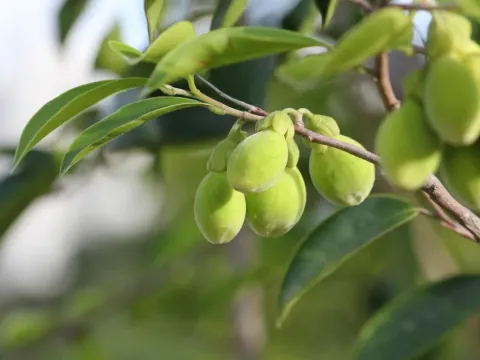
Aquilaria is a genus of evergreen trees belonging to the Thymelaeaceae family. These species are native to the tropical forests of Southeast Asia and have high ecological significance.
What the section contains


Aquilaria
The cultivation of Aquilaria requires a hot and humid tropical climate. Constant temperatures between 20°C and 30°C are ideal, as the plant cannot tolerate freezing conditions.
Soil requirements include well-drained, nutrient-rich substrates. The tree thrives in moist soils but is extremely susceptible to root rot if water stagnation occurs.
Young plants require partial shade to mimic their natural habitat under the canopy of rainforest giants. As they mature, they become more resilient to full sunlight exposure.
The primary economic output is agarwood, an aromatic resinous heartwood produced by the tree as a defensive reaction to injury or microbial infection.
Fungal infections are essential for resin production but represent a threat if not strictly managed. Pathogenic fungi must be introduced in a controlled manner.
Stem borers and other wood-boring insects are the most common pests. They can cause structural damage to the tree, potentially leading to lower resin quality.
Leaf blight and various fungal pathogens can emerge in poorly ventilated nurseries, leading to stunted growth or complete loss of young saplings.
Maintaining optimal spacing between trees is crucial to ensure good airflow and reduce the incidence of contagious diseases across the plantation.
Regular monitoring by trained staff is necessary to detect early signs of infestation and apply targeted biological controls to prevent significant damage.
Harvesting Aquilaria is a meticulous process that begins 7 to 15 years after planting. The tree must reach a certain maturity level before induction starts.
Artificial induction, such as fungal inoculation or physical wounding, is performed to stimulate resin production within the heartwood.
The maturation period after induction typically lasts 1 to 3 years. Harvesters determine the optimal time for cutting based on the resin density in the trunk.
Once harvested, the wood is carefully sorted based on its resin content. High-quality pieces are dark, heavy, and sink in water, representing the highest market value.
The processed heartwood is either sold as premium incense chips or used for essential oil extraction, which yields the world-renowned 'Oud' perfume ingredient.