
Selago
Selago L.
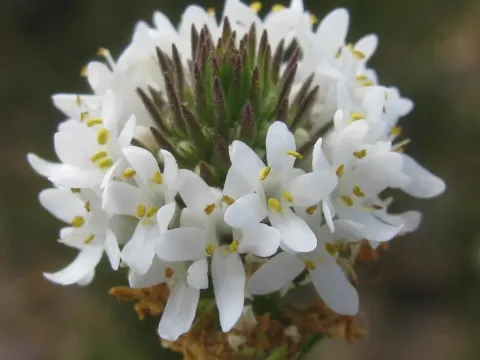
The genus Selago L. belongs to the Scrophulariaceae family, comprising several species of perennial shrubs and subshrubs. The plants are noted for their compact habit and dense terminal racemes or spikes of small, often fragrant flowers.
What the section contains
Selago
Native to Southern Africa, these plants have evolved in diverse habitats ranging from arid rocky slopes to mountainous areas. This evolutionary background makes them highly resilient to drought but strictly dependent on excellent soil drainage.
The primary cultivation requirement is a sunny position. Selago requires full sun to thrive and produce its signature abundant blooms. In cloudy or shaded environments, the stems become weak, and the plant loses its dense, shrubby structure.
Soil composition must prioritize aeration. Gardeners are advised to mix standard potting soil with coarse sand or horticultural grit. The pH should be slightly acidic to neutral, as extremes can negatively affect nutrient uptake and general health.
Climate control is essential for success. As these are tender perennials, they cannot survive frost. In temperate climates, they are treated as annuals or kept as greenhouse specimens, with temperature maintenance above 5 degrees Celsius during the dormant period.
The primary use of Selago is in ornamental horticulture. Its unique texture and long-lasting spikes make it an excellent candidate for Mediterranean-style gardens, rockeries, and pots that require low-maintenance, drought-tolerant plants.
Harvesting for dried arrangements is a viable option for certain species. Stems should be cut when the flowers are fully open but before they begin to fade, then hung in bunches in a cool, dry area to ensure structural integrity.
Seed harvesting requires careful timing. The capsules tend to shatter upon maturity, so it is standard practice to bag the flower heads or collect them daily to prevent seed loss to the environment, followed by gentle drying.
Propagation is primarily performed through vegetative means. Softwood cuttings are taken during the spring or late summer and treated with rooting hormones to ensure successful establishment in a sterile, well-draining rooting medium.
While Selago is not a crop for human consumption or large-scale agriculture, it holds a niche position in the nursery trade. Growers must be vigilant about maintaining low humidity levels to prevent fungal growth, which is a common post-harvest issue.