
Scrophularia xanthoglossa
Scrophularia xanthoglossa
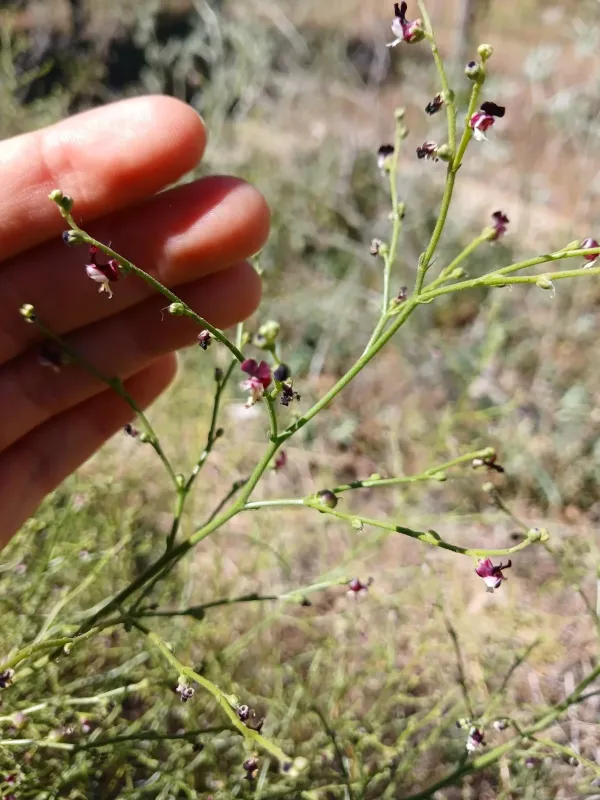
Description
Sowing dates
Sowing of Scrophularia xanthoglossa typically takes place in early spring once the soil temperature is consistently above 10 degrees Celsius. This timing ensures steady germination and stable growth cycles.
Seeds of this species require cold stratification for optimal germination rates. It is recommended to expose the seeds to temperatures of 2-5 degrees Celsius for approximately four weeks before planting.
The standard agricultural method involves row planting with spacing of 50-60 centimeters. This provides sufficient room for the plant to develop its branched root system without overcrowding.
For large-scale cultivation, drilling the seeds at a shallow depth of 1-1.5 centimeters is critical. Proper soil moisture must be maintained immediately after sowing to encourage the establishment of young seedlings.
Late autumn sowing is also a viable option in milder climates, as it leverages natural temperature fluctuations to break seed dormancy and promotes earlier emergence during the following spring.
Growing requirements
Belonging to the Scrophulariaceae family, this species thrives in well-drained, sandy-loam soils. It originates from arid regions, which explains its inherent resilience to drought and heat stress.
The plant requires full sun exposure to maintain high biological activity levels. Excessive shade hinders growth and results in a lower concentration of secondary metabolites in the harvested biomass.
Regarding soil pH, the plant performs best in neutral to slightly alkaline environments (pH 6.5–7.8). Nutrient levels should be balanced, focusing on moderate phosphorus and potassium application.
Watering requirements are relatively low; however, consistent moisture is necessary during the active vegetative stage. Once established, the plant exhibits remarkable drought tolerance, making it suitable for sustainable farming.
The plant is highly adaptable to various climatic zones, provided there is no stagnant water during the dormant winter period, which could cause root decay and plant mortality.
Main diseases and pests
The primary threats include root rot and fungal pathogens caused by improper irrigation or poor field drainage. Preventing water accumulation around the base of the plant is essential for healthy crops.
Pests such as aphids and leaf-eating beetles can cause significant damage to the foliage. Integrated pest management strategies, including the use of natural predators, are recommended for large plantations.
Weed management is critical during the first two months of plant growth. Mechanical cultivation of inter-row spaces is the most effective way to eliminate competition for nutrients and water.
Powdery mildew may occur in poorly ventilated areas with high humidity. Ensuring proper plant density and regular weeding helps to improve air circulation and significantly reduces disease risks.
Periodic monitoring for signs of wilt or discoloration is necessary to implement timely countermeasures. Early detection of pests or diseases is key to preserving crop yields in commercial fields.