
Sierra Nevada Mullein
Verbascum nevadense
Description
Growing requirements
The Sierra Nevada Mullein (Verbascum nevadense) is a perennial herbaceous plant belonging to the Scrophulariaceae family. This species is native to the high-altitude mountain ranges of the Sierra Nevada in Spain, representing a unique botanical endemic.
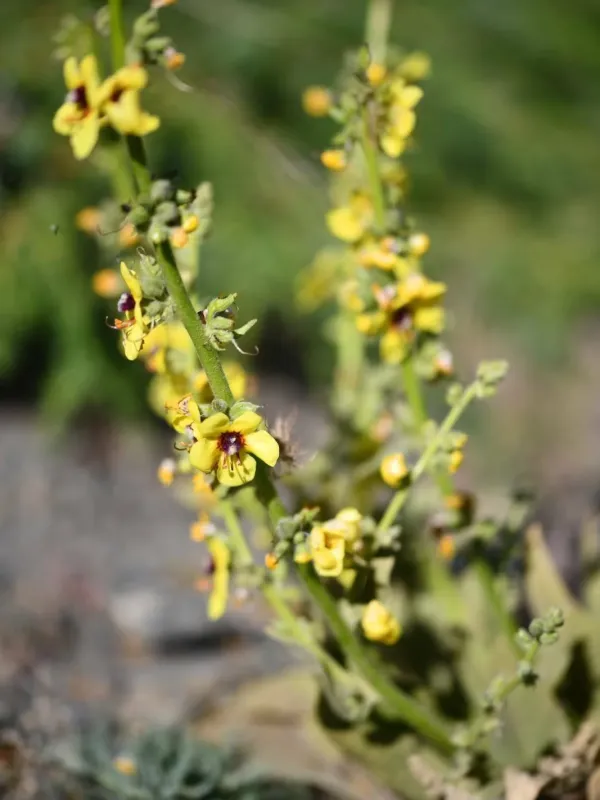
Morphologically, the plant features a robust basal rosette of leaves and a tall, upright flowering spike covered in dense trichomes (hairs). This hairiness is a specialized adaptation to mitigate water loss and reflect intense high-altitude sunlight.
Cultivation requires well-drained, sandy, or rocky soil conditions with a neutral to slightly alkaline pH. The plant thrives in habitats that provide consistent solar exposure, characteristic of its mountain origin.
The moisture regime must be carefully managed, as the species is highly sensitive to waterlogged conditions. Proper soil aeration is crucial to prevent root asphyxiation, mirroring the natural drainage of slopes.
In practice, Verbascum nevadense is primarily utilized in alpine garden design and botanical research. Its potential medicinal properties, common to many Verbascum species, make it a subject of interest for phytochemical studies.
Main diseases and pests
The main threats to the plant include fungal diseases such as downy mildew and root rot, which are often triggered by excessive humidity or poor soil drainage. Maintaining a dry and ventilated environment is critical.
Pests, particularly leaf-eating larvae, can cause significant damage to the plant's foliage. Regular monitoring and physical removal of pests are recommended over intensive pesticide application.
Environmental factors like overgrazing and habitat encroachment are major threats in the wild, which limits the natural dispersal of this rare species.
Preventative cultural practices include clear spacing to ensure adequate airflow and the use of inorganic mulch, such as gravel, to prevent moisture retention at the base of the plant.
Due to its endemic nature, the plant may show reduced resistance to introduced generalist pathogens, making clean garden hygiene essential for its successful propagation.