
Silver mullein
Verbascum argenteum
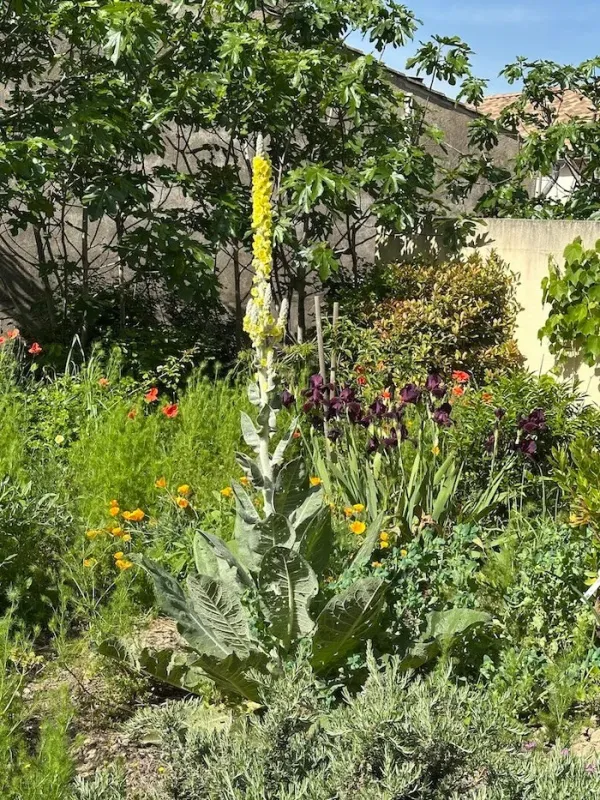
Description
Sowing dates
The propagation of silver mullein (Verbascum argenteum) is best achieved through direct sowing in autumn or early spring. Due to the tiny size of the seeds, they should be scattered on the surface and pressed firmly into the soil without deep covering.
Seedlings require sufficient light for germination, which typically occurs within two to three weeks under temperatures ranging from 18 to 20 degrees Celsius. Providing a consistent moisture level is crucial during this initial growth phase.
Once the seedlings develop a few true leaves, they should be thinned to a spacing of 30–40 centimeters. This distance is vital for the plant to form its characteristic basal rosette without competition for nutrients or sunlight.
When starting indoors, it is recommended to use pots that allow for easy root ball extraction during transplantation. Silver mullein develops a taproot system, so early transplanting is preferred to avoid root disturbance.
Acclimatization to outdoor conditions is essential for indoor-grown plants. Gradual exposure to direct sunlight and wind over one week ensures the young plants are robust enough to survive in open garden beds.
Growing requirements
Silver mullein is a member of the Scrophulariaceae family, native to regions with well-drained, often stony soils. It thrives in full sun and is an ideal candidate for rock gardens, gravel beds, or xeriscaping projects where minimal water is available.
The plant demands excellent drainage. Soil that retains excessive moisture throughout the winter months often causes the crown to rot. Adding coarse sand or grit to the planting hole significantly improves the plant's longevity and health.
This species is highly drought-tolerant once established. While it may appreciate a light watering during prolonged heatwaves, it generally performs best in dry conditions, which maintain the intensity of its distinctive silvery-white indumentum.
Neutral to slightly alkaline soil is preferred. Over-fertilizing, especially with nitrogen, should be avoided as it encourages rapid, weak growth that lacks the compact structure and silvery foliage coloration typical of the species.
Hardiness is a key feature of this plant. It is well-adapted to surviving cool winters provided the drainage is sufficient to prevent the soil from freezing in a waterlogged state, which is the primary cause of plant loss.
Main diseases and pests
Powdery mildew is the most common issue for Verbascum argenteum, particularly in humid climates. Good airflow around the basal leaves is the primary preventative measure against this fungal disease.
Root rot occurs if the plant is sited in heavy, damp soils. Careful selection of the planting site, ideally on a slight slope or in an elevated garden bed, serves as the best protection against this lethal condition.
Pests such as caterpillars can feed on the foliage during the growing season. Regular observation is necessary, and manual removal is often effective given the plant's manageable size and garden footprint.
Aphids might occasionally congregate on the flower spikes during the blooming period. These pests can be managed by gently washing the affected areas with a stream of water or using mild horticultural soaps if necessary.
Effective management of threats involves maintaining a clean environment around the plant. Removing weeds and clearing away debris from the basal area helps keep the foliage dry and free from potential pathogen outbreaks.