
Scrophularia sublyrata
Scrophularia sublyrata
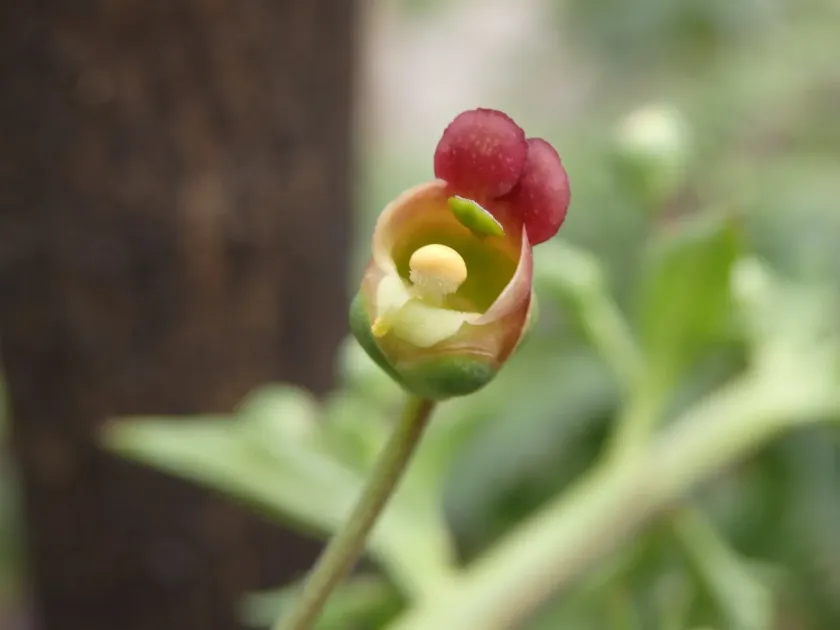
Description
Growing requirements
Scrophularia sublyrata is a perennial herbaceous plant belonging to the Scrophulariaceae family. It is known for its distinct botanical structure and is typically found in habitats that provide moderate moisture levels and consistent nutrient access.
The plant thrives best in loose, well-drained loamy soils. It is essential to ensure that the soil remains aerated, as root development is significantly hindered in compact or heavy clay environments that prevent oxygen flow.
In terms of climatic requirements, this species prefers temperate conditions with sufficient sunlight. While it can tolerate partial shade, maximum biomass production is achieved when the plant is exposed to long-duration daylight during its active growth phase.
Agricultural management requires careful attention to soil moisture balance. While the plant benefits from regular watering, it is highly sensitive to waterlogging, which often induces root rot and stunted development.
Regarding its utility, the plant is primarily studied for its phytochemical profile. Like other members of the Scrophularia genus, it contains bioactive compounds that have historically been of interest in botanical research and traditional applications.
Main diseases and pests
The main pathological threats include fungal diseases such as powdery mildew, which can spread rapidly if air circulation around the plants is insufficient or humidity is excessively high.
Root system decline is frequently associated with poor soil drainage and stagnant water, creating an ideal environment for pathogenic fungi that compromise the plant's vascular integrity.
Common pests affecting this crop include aphids and various leaf-feeding larvae. These insects can cause significant damage to young foliage, directly impacting the plant's ability to photosynthesize effectively.
Integrated pest management strategies are recommended, focusing on early detection and the use of physical barriers or targeted biological controls to maintain the health of the planting site.
Maintaining soil health through appropriate nutrient management is crucial. A well-nourished plant develops stronger defensive mechanisms, providing better resistance against environmental stressors and potential disease vectors.