
Sharp figwort
Scrophularia arguta
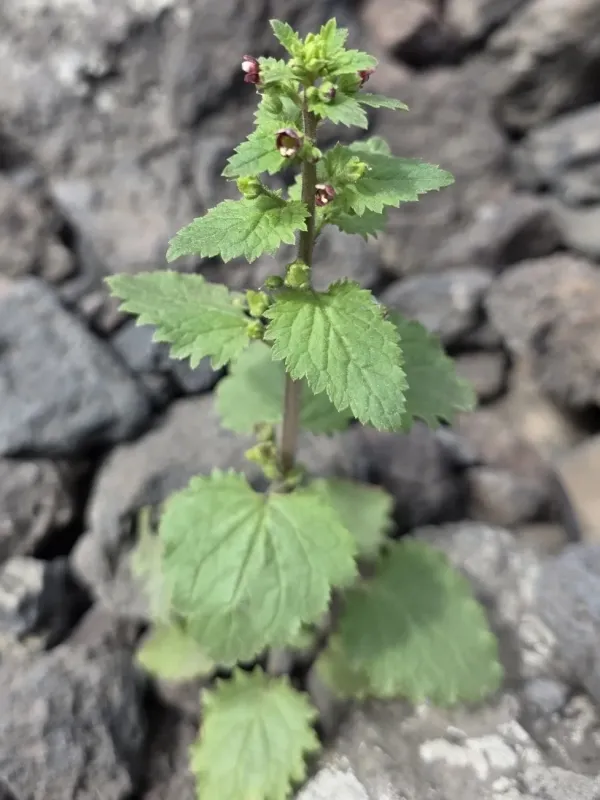
Description
Sowing dates
Scrophularia arguta is an annual species that requires specific conditions to initiate successful germination. Sowing should be synchronized with the early spring period when soil temperatures consistently range between 10 and 15 degrees Celsius to support early seedling development.
Seeds should be sown at a shallow depth as they require light and oxygen for optimal sprouting. Direct drilling in well-prepared, friable soil ensures that the small seeds maintain sufficient contact with the moisture-retaining substrate without being smothered by soil layers.
Optimal crop density is achieved by row sowing with a spacing of approximately 30 centimeters. This interval allows for adequate air circulation, which is crucial for preventing humidity-related diseases and ensuring each plant has sufficient access to sunlight for rapid photosynthesis.
After the emergence of seedlings, thinning is essential to maintain a distance of 15 to 20 centimeters between individual plants. This practice reduces nutrient competition and allows the plants to develop a robust taproot system, which is characteristic of the species.
For research or cultivation purposes, maintaining a consistent weed-free environment during the initial growth stages is vital. Shallow cultivation between the rows keeps the soil aerated and facilitates the early establishment of the young figwort population.
Growing requirements
This crop thrives in high-light environments and performs best when exposed to direct sunlight for the majority of the day. Proper solar exposure is critical for the development of its characteristic morphology and the synthesis of secondary metabolites.
The ideal soil profile for Scrophularia arguta is well-drained and slightly alkaline or neutral, mirroring its natural Mediterranean habitat. Sandy or loamy soils with excellent water permeability are preferred to avoid any risk of waterlogging, which the plant cannot tolerate.
Temperature management is straightforward, as the plant is adapted to moderate climatic conditions ranging from 15 to 25 degrees Celsius. While it can withstand minor temperature fluctuations, it is sensitive to intense frost, which necessitates careful monitoring during late spring.
Water requirements are moderate. The crop benefits from regular but controlled irrigation to maintain consistent soil moisture, especially during the peak of its vegetative growth. Excessive water must be avoided to prevent root and collar rot issues.
Soil fertility management should focus on organic enrichment rather than high nitrogen inputs. Applying well-composted organic matter provides the necessary micronutrients that support long-term vigor without promoting excessive succulent growth that may attract pests.
Main diseases and pests
Fungal diseases represent the primary biological threat to Scrophularia arguta, particularly in environments with high humidity or poor air circulation. Pathogens affecting the foliage, such as leaf spot, can reduce the overall yield and physiological health of the crop.
Aphids and spider mites are the most common insect pests that target the young, tender parts of the plant. Their feeding habits can lead to stunted growth, and in extreme cases, they can serve as vectors for secondary viral infections that further weaken the host.
Root and soil-borne diseases often occur due to poor drainage or excessive compaction of the soil. Preventing these issues requires strict irrigation management and the regular use of inter-row cultivation to ensure oxygen reaches the root zone efficiently.
Slugs and snails can cause significant damage to young plants by consuming the succulent leaves. The implementation of physical barriers or mulching with grit can serve as effective non-chemical deterrents to protect the crop during the vulnerable establishment phase.
Integrated Pest Management (IPM) practices, including crop rotation and the removal of weeds that act as alternative hosts, are the most effective strategies for maintaining a healthy and productive crop of sharp figwort over multiple seasons.