
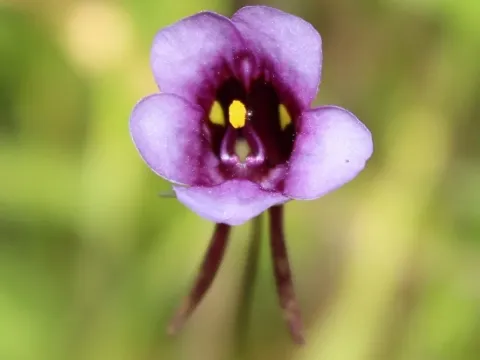
Diascia
Diascia Link & Otto
Sowing Diascia seeds for seedlings is typically carried out in late February or March, allowing the plants to bloom by early summer. The optimal temperature for seed germination is around 18–20 degrees Celsius.
What the section contains
 Diascia barberae
 Hook. f.
Diascia barberae
Diascia barberae Hook. f.
 Diascia fetcaniensis
 Hilliard & B.L. Burtt
Diascia hybrid
Diascia barberae Hook. f. x Diascia integerrima Benth. x Diascia mollis Hilliard & B. L. Burtt
Diascia fetcaniensis
Diascia fetcaniensis Hilliard & B.L. Burtt
Diascia hybrid
Diascia barberae Hook. f. x Diascia integerrima Benth. x Diascia mollis Hilliard & B. L. Burtt
 Diascia integerrima
 Benth.
Diascia integerrima
Diascia integerrima Benth.
 Diascia mollis
 Hilliard & B. L. Burtt
Diascia mollis
Diascia mollis Hilliard & B. L. Burtt
 Diascia personata
 Hilliard & B.L. Burtt
Diascia personata
Diascia personata Hilliard & B.L. Burtt
 Diascia rigescens
 E. Mey. ex Benth.
Diascia rigescens
Diascia rigescens E. Mey. ex Benth.
 Diascia vigilis
 Hilliard & B.L. Burtt
Diascia vigilis
Diascia vigilis Hilliard & B.L. Burtt
Diascia
For sowing, use a light, well-drained substrate with a neutral pH, which is slightly compressed before spreading the seeds. Diascia seeds are very small and do not require deep planting; covering them thinly with vermiculite or a fine layer of soil is sufficient.
Once the first true leaves appear, seedlings should be pricked out into individual pots or cell trays to give the root system enough space to grow. Maintaining moderate soil moisture is crucial, as waterlogging often leads to fungal infections.
Hardening off the seedlings before transplanting into the garden is a mandatory step, usually spanning 10–14 days. The plants are gradually acclimated to outdoor conditions by placing them in sheltered spots on windless days.
Transplanting to the final location should only occur after the risk of frost has passed, ensuring spacing of 15 to 30 centimeters between plants depending on the specific variety's spread.
Diascia belongs to the Scrophulariaceae family and is an eye-catching plant native to South Africa. It is highly valued by gardeners for its long-lasting and prolific blooming period, which transforms small bushes into vibrant mounds of color.
To thrive, the plant requires a sunny location, as excessive shade causes stems to become leggy and significantly reduces the intensity of flowering. Only light partial shade is acceptable in regions with extremely hot climates.
The soil must be fertile, moderately moist, and possess excellent drainage properties. Standing water at the roots is a critical stress factor that can lead to rapid plant decline during the hot summer months.
The plant is relatively drought-tolerant but requires regular, moderate watering to maintain its ornamental value. During active growth, it is recommended to apply a balanced fertilizer with low nitrogen content to support continuous flowering.
Botanically, Diascia is a herbaceous perennial, although it is most commonly grown as an annual in temperate climates. In warmer regions, it may survive the winter outdoors if provided with light protection.
The primary threats to Diascia are aphids and spider mites, which actively target young shoots and flower buds during hot, dry weather. Regular monitoring is essential for early detection of these pests.
If insects are found, appropriate insecticides or acaricides should be applied according to the manufacturer's dosage. Treatments should ideally be performed in the evening to prevent sun-induced leaf burn.
High humidity combined with poor air circulation can promote the development of gray mold and various forms of powdery mildew. Proper plant spacing and good air circulation are the best forms of preventative care.
Root rots are a common consequence of substrate waterlogging, making quality drainage indispensable. If a plant becomes heavily infected with rot, it should be removed along with its root ball, and surrounding plants should be treated with fungicides.
- Aphids (damage young shoot tips).
- Spider mites (cause yellowing and premature leaf drop).
- Gray mold (appears under excessive moisture conditions).
- Powdery mildew (develops during temperature fluctuations).