
Diascia barberae
Diascia barberae Hook. f.
Description
Sowing dates
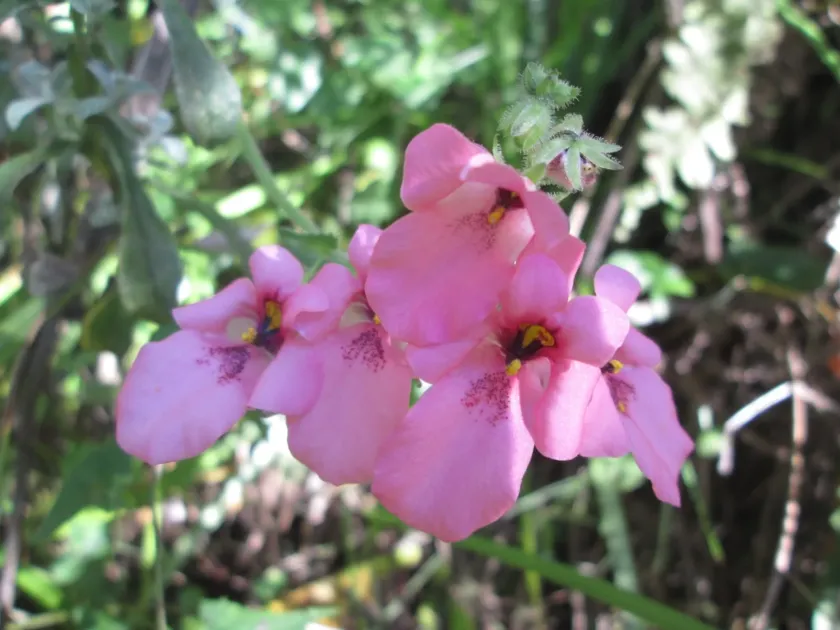
Diascia barberae is an ornamental flowering plant belonging to the Scrophulariaceae family, native to the mountainous regions of South Africa. It is highly valued for its prolific, delicate spurred flowers that create a colorful carpet effect.
Seeds are typically sown in early spring, specifically from late February to March. Given their small size, they should be surface-sown on moist, sterile compost and not buried, as they require light to germinate effectively.
Maintaining a temperature range of 18–20°C is essential for successful germination. Using a seed tray covered with clear plastic or glass helps retain the necessary humidity levels during the initial stages.
Once the seedlings are large enough to handle, they should be pricked out into individual pots. This practice encourages the development of a robust root system before the plants are eventually hardened off.
Hardening off involves gradually exposing the plants to outdoor temperatures over a week to ensure they can withstand environmental stress upon transplanting into the garden.
Growing requirements
This plant thrives in full sun but benefits from light shade during the hottest part of the day in regions with extreme summer temperatures, which helps to keep the plant vigorous.
Well-drained soil is a non-negotiable requirement; the plant performs best in a fertile, sandy-loam mix where water can move freely through the root zone without causing stagnation.
Watering should be consistent but cautious. Allowing the surface of the growing medium to dry slightly between irrigation sessions prevents the onset of root-related disorders.
Deadheading is a critical maintenance practice for Diascia barberae. By shearing back the spent stems after the first flush of flowers, gardeners can stimulate a second vigorous wave of blooms.
As a tender perennial often grown as an annual, it requires protection from hard frosts and is best suited for containers, hanging baskets, or the front of flower borders.
Main diseases and pests
Aphids are the most common pest observed on Diascia plants, frequently gathering on the soft, succulent stem tips and buds, which can lead to stunted growth and leaf curling.
Spider mites may also pose a problem, especially during periods of prolonged hot and dry weather where the plant's natural defenses may be slightly weakened by water stress.
Fungal issues such as powdery mildew and grey mold (Botrytis) are the primary threats during cool, wet, or humid weather conditions where airflow around the foliage is limited.
Effective management involves utilizing systemic insecticides for pest control and broad-spectrum fungicides if significant disease pressure is detected on the foliage.
Integrated pest management strategies, such as providing adequate plant spacing to ensure good air circulation, significantly reduce the necessity for chemical intervention throughout the growing season.