
Edgeworth's figwort
Scrophularia edgeworthii
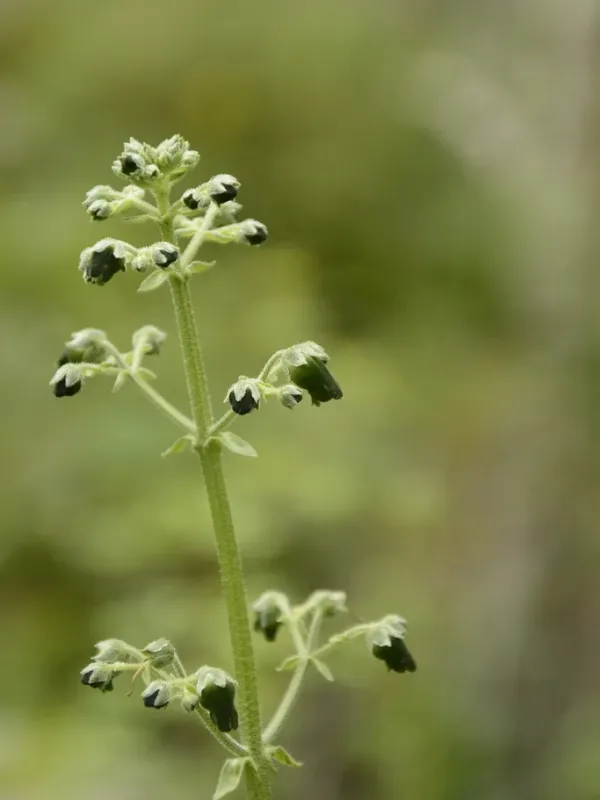
Description
Sowing dates
Sowing Edgeworth's figwort is best performed in early spring or late autumn to allow seeds to benefit from natural stratification, which enhances overall germination rates.
The seeds are relatively small and require shallow placement in the soil, ideally at a depth of no more than 0.5 to 1 centimeter for optimal light exposure.
Professional growers often utilize greenhouse trays to start seedlings in late winter, ensuring the plants are well-established before transplanting in May.
For direct seeding in the field, it is crucial to prepare a fine tilth seedbed to ensure uniform contact between the seeds and the moist soil surface.
Adequate spacing, typically around 40 by 50 centimeters, is recommended to prevent competition and allow each plant to develop a robust architecture.
Growing requirements
Edgeworth's figwort thrives in sunny environments with well-draining, fertile soils that are rich in organic matter and have a neutral pH balance.
While the plant exhibits moderate drought tolerance once established, consistent irrigation during the peak growing phase significantly improves biomass production.
Waterlogging must be avoided at all costs, as the roots are sensitive to anaerobic conditions which can lead to fungal pathogens and systemic decline.
Balanced fertilization with organic compost or slow-release mineral fertilizers helps maintain vigorous growth throughout the vegetative season.
The crop requires protection from strong winds and prefers moderate temperature fluctuations, typical of temperate and subtropical regions.
Yield
The yield of Edgeworth's figwort is highly dependent on effective crop management, including regular weeding and nutrient replenishment programs.
Commercial plantations can expect significant quantities of biomass per hectare when the plant reaches its second or third year of maturity.
Post-harvest processing efficiency, including proper drying techniques, plays a critical role in the final yield of high-quality medicinal material.
By optimizing plant density and controlling environmental factors, growers can maximize the percentage of foliage and stem material per hectare.
Consistent monitoring of growth phases ensures that the crop is harvested at its physiological peak, maximizing the economic return for the producer.
Main diseases and pests
Common pests include aphids and various leaf-feeding larvae, which can damage the foliage and significantly reduce the aesthetic and medicinal quality of the harvest.
Root rot and powdery mildew are the most prevalent diseases, often exacerbated by poor air circulation and excessive moisture in the root zone.
Implementing an integrated pest management strategy helps reduce reliance on chemicals while maintaining crop health throughout the season.
Crop rotation is an essential practice; avoid planting the species in the same location for several years to mitigate the buildup of soil-borne pathogens.
- Regular field scouting
- Removal of infected debris
- Optimized irrigation schedules
- Promotion of beneficial insects
Harvesting
The harvesting of Edgeworth's figwort is performed during the peak flowering stage to ensure the highest concentration of active biochemical compounds.
The stems are cut at a height of 10–15 cm from the ground, ensuring that the root crown remains intact for potential future regrowth if managed as a perennial.
Immediate drying in shaded, well-ventilated areas is required to prevent mold development and to preserve the integrity of the plant's phytochemical profile.
Care must be taken to minimize mechanical damage during transport to avoid bruising the plant tissue, which can lead to oxidation and loss of quality.
Dried product should be stored in a cool, dry environment, preferably in airtight containers to maintain potency and protect against pests during storage.