
Diascia vigilis
Diascia vigilis Hilliard & B.L. Burtt
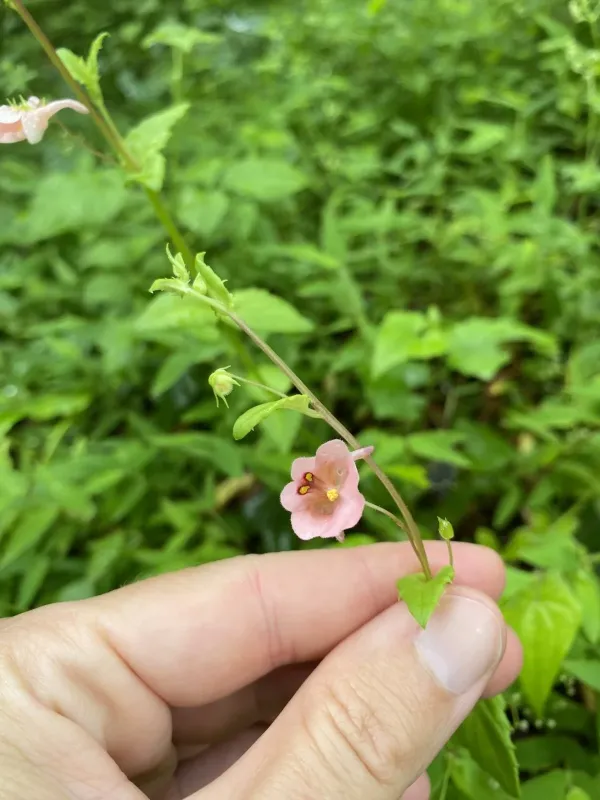
Description
Sowing dates
Diascia vigilis, a member of the Scrophulariaceae family, is a charming flowering plant often grown as an annual. Sowing typically begins in late winter or early spring in a climate-controlled greenhouse or on a sunny windowsill.
The seeds are exceptionally small and require light for germination. They should be scattered thinly over the surface of a fine seed-starting mix and pressed gently into the soil without being covered by a layer of substrate.
Maintaining a steady temperature of about 18 to 20 degrees Celsius is essential for optimal germination. Consistent but gentle moisture is required, ideally provided through a fine mist to avoid washing the seeds away.
Once the seedlings are large enough to handle, they should be pricked out into individual pots. This practice encourages the development of a robust root system, which is crucial for the plant's later performance in a garden border or a hanging basket.
Hardening off the plants is a necessary step before transplanting them outdoors. This process ensures the plants are acclimatized to the environmental conditions, reducing transplant shock and promoting vigorous growth.
Growing requirements
This species thrives in locations that receive full sun for the majority of the day. However, in regions with intense summer heat, light afternoon shade is beneficial to prevent the plant from becoming stressed and wilting.
Well-draining, fertile soil is a strict requirement for the healthy growth of Diascia vigilis. The plant is particularly sensitive to waterlogged conditions, which can quickly lead to root decay and the death of the specimen.
Watering should be balanced and regular. While the plant possesses some degree of drought tolerance once established, consistent moisture is the secret to continuous and prolific blooming throughout the summer months.
For container-grown plants, a high-quality potting mix enriched with slow-release fertilizer is ideal. This ensures a steady supply of nutrients, preventing deficiencies that could result in yellowing leaves or sparse flowering.
Deadheading spent flowers is highly recommended. Trimming back the stems after the first major flush of blooms encourages the plant to produce a second, often even more impressive, wave of flowers later in the season.
Main diseases and pests
Fungal issues, such as root rot and stem blight, are the most frequent threats, particularly when the plant is grown in overly humid conditions or in poorly ventilated spaces. Good airflow around the foliage is a primary preventative measure.
Pests including aphids and whiteflies can infest the plants, particularly when they are kept in crowded conditions. These insects thrive on the tender growth and can transmit viruses if left unmanaged for long periods.
Biological controls, such as introducing beneficial insects, can be an effective way to manage smaller infestations. In more severe cases, targeted horticultural soaps or systemic insecticides may be necessary to protect the plant.
Regular inspection of the plant's structure is vital. Gardeners should watch for sticky residue on leaves or distorted new growth, which are early indicators of a pest presence that needs immediate attention.
Avoiding overhead watering helps keep the foliage dry, which significantly reduces the likelihood of leaf-spot diseases. Keeping the plant properly spaced ensures that moisture evaporates quickly from the leaf surfaces after rainfall.