
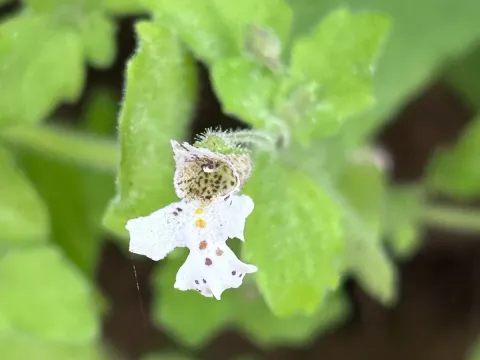
Diclis
Diclis
The genus Diclis belongs to the Phrymaceae family and is native primarily to Southern Africa and Madagascar. These plants are appreciated by gardeners for their trailing habit and ability to form dense, lush mats of foliage.
What the section contains


Diclis
Cultivation of Diclis requires a location that mimics its natural habitat: moist, well-draining soil rich in organic matter. The plants perform best in partial shade, as intense direct sunlight can scorch the delicate leaves.
Temperature management is critical; as a tender perennial, Diclis thrives in mild climates. In regions with freezing winters, it is often grown as an annual or moved into sheltered locations during the cold season.
Consistent moisture is the key to healthy growth. The soil should never be allowed to dry out completely, but good drainage must be maintained to prevent waterlogging, which the root system cannot tolerate.
Regular maintenance includes light fertilization during the growing season and trimming back overgrown stems to encourage denser foliage growth. Using organic mulch helps regulate soil temperature and moisture levels.
Root rot is the most common disease associated with Diclis, typically caused by poor soil drainage or overwatering. Maintaining a proper watering schedule is vital for plant health.
Slugs and snails are the primary pests that damage the foliage, especially in damp, shaded environments where the plant thrives. Barrier methods are highly recommended to prevent infestation.
Aphids can occasionally infest new growth, especially during periods of stress or improper air circulation. If detected, mild horticultural soap or neem oil is usually effective.
Fungal leaf spots can occur if the foliage remains wet for too long without adequate airflow. It is advised to water at the base of the plant rather than overhead.
Good cultural practices, such as ensuring proper spacing between plants and removing dead debris, significantly reduce the risk of pest and disease outbreaks.