
Diascia mollis
Diascia mollis Hilliard & B. L. Burtt
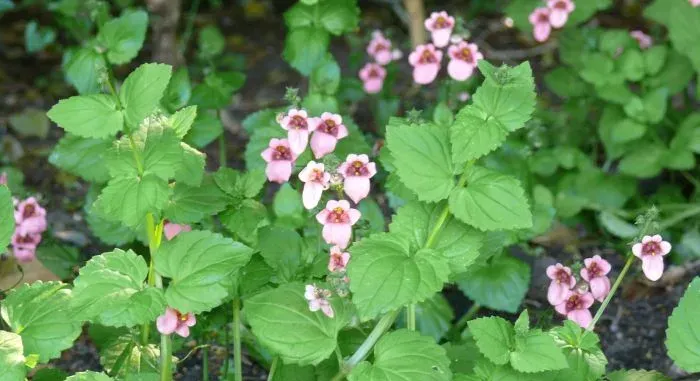
Description
Sowing dates
Sowing seeds of Diascia mollis for seedling production begins in late February or early March. The seeds should be sown in a lightweight, moisture-permeable substrate without covering them deeply, as they require light for germination.
Containers should be covered with glass or film to maintain stable air humidity. The optimal temperature for germination is 18–20 degrees Celsius, with seedlings typically emerging within 2–3 weeks.
Once two pairs of true leaves appear, the seedlings should be pricked out into individual pots to encourage root development. Hardening off the plants in April is essential to acclimate them to outdoor conditions.
Seedlings are transplanted into open ground only after the risk of frost has completely passed. In most regions, this corresponds to late May or early June.
In regions with mild climates, direct sowing in the open ground is possible in late spring, although the seedling method remains the preferred way to ensure a longer and more vigorous blooming period.
Growing requirements
Diascia mollis belongs to the Scrophulariaceae family and is commonly grown as an annual ornamental plant. Originating from South Africa, it thrives best in environments that mimic its native sunny and well-drained habitats.
The plant requires well-drained, moderately fertile soil with a neutral to slightly acidic pH. Waterlogging is detrimental to this species, making proper drainage systems essential, especially in heavy clay soils.
This species prefers cool, sunny locations. In regions with extremely hot summers, the plant may suffer from heat stress, so light afternoon shade is recommended to maintain its decorative appearance.
Watering should be regular but moderate. The soil must remain slightly moist, as excessive dampness promotes root rot and causes the foliage to lose its vigor and attractive appearance.
To ensure continuous blooming throughout the season, it is recommended to apply liquid complex mineral fertilizers with low nitrogen content every two weeks.
Main diseases and pests
The primary threats to Diascia mollis are fungal diseases associated with poor cultivation practices. High humidity levels often lead to powdery mildew and various forms of root rot.
Common pests that frequently attack the plant include aphids and spider mites. These insects tend to multiply rapidly in dry, hot weather, feeding on the juices of tender shoots and leaves.
Management of pests involves the use of systemic insecticides. When fungal infection symptoms appear, plants should be treated with appropriate fungicides, and affected parts should be carefully removed.
Disease prevention is best achieved by ensuring proper spacing during planting, which improves air circulation around the plants. Avoiding overhead watering in the evening helps reduce fungal risks.
Regular deadheading of faded flowers is a crucial practice that not only extends the flowering season but also prevents the accumulation of decaying plant matter that could host pathogens.