
Diascia hybrid
Diascia barberae Hook. f. x Diascia integerrima Benth. x Diascia mollis Hilliard & B. L. Burtt
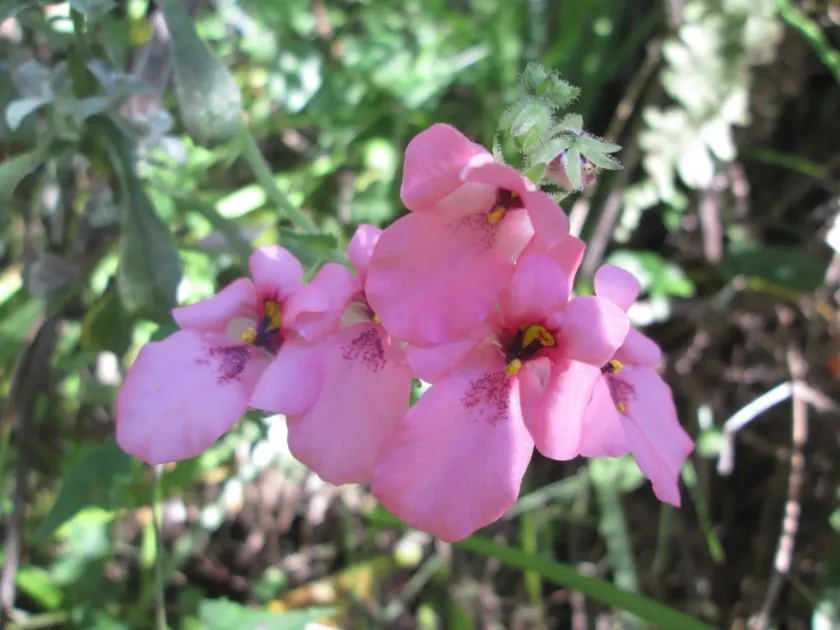
Description
Sowing dates
Diascia hybrid is a popular ornamental plant belonging to the Scrophulariaceae family, prized for its prolific flowering. For optimal results, seeds should be sown indoors in late winter, roughly 8 to 10 weeks before the expected last frost date.
The seeds are tiny and require light for germination; therefore, they should be surface-sown on a moist, fine-textured seed-starting mix. Covering them with a thin layer of vermiculite can help maintain humidity while allowing light penetration.
Germination typically occurs within two weeks at temperatures between 18 and 22 degrees Celsius. Maintaining high humidity with a plastic cover is recommended until the first seedlings emerge.
Transplanting seedlings to individual pots should be done carefully once they have developed at least two sets of true leaves. This promotes a stronger root system before the final transfer to the permanent outdoor location.
Acclimatization is a crucial step; young plants must be hardened off gradually over 7-10 days to adjust to outdoor environmental conditions, including direct sun and variable temperatures.
Growing requirements
Diascia hybrids thrive in sunny, well-drained positions where they can receive at least 6 to 8 hours of direct sunlight daily. In extremely hot climates, partial afternoon shade is beneficial to prevent heat stress.
Soil should be light, porous, and relatively low in fertility. Rich, heavy soils with high nitrogen content promote excessive vegetative growth at the expense of floral development, making them less suitable for this species.
Irrigation management is essential; the soil should be kept consistently moist but never waterlogged. Regular, light watering is preferable to occasional deep soaking, which may cause root rot in poorly draining media.
Pruning or shearing back the plants after the first major flush of blooms is an excellent technique. It encourages the plant to produce a second wave of flowers and helps maintain a compact, tidy habit.
In container gardening, using a high-quality peat-based or coir-based potting mix with added perlite ensures the aeration required to keep the roots healthy and active throughout the growing season.
Main diseases and pests
Aphids are the primary pest concern for Diascia, frequently congregating on tender stems and buds. They can significantly weaken the plant if left untreated, leading to stunted or distorted foliage.
Powdery mildew often appears during periods of high humidity or poor airflow. It manifests as a white, dusty layer on leaves and stems, which can be mitigated by improving plant spacing and air circulation.
Root rot is a common physiological threat caused by overwatering or compacted soil. It is often irreversible, highlighting the importance of preventative measures like drainage and moderate watering schedules.
Spider mites may infest the plants during prolonged dry, hot weather. They cause fine stippling on leaves and the formation of thin, delicate webs that can be detected through regular monitoring.
Integrated pest management, including the use of horticultural oils or insecticidal soaps, is recommended to manage outbreaks effectively while maintaining the aesthetic health of the ornamental display.