
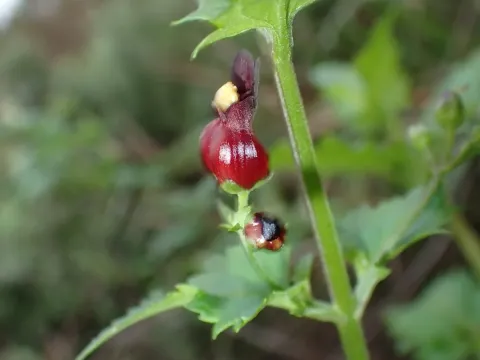
Figwort
Scrophularia L.
Sowing Figwort seeds is most effectively performed in late autumn, allowing the seeds to undergo natural stratification, which significantly improves germination rates in spring.
What the section contains


Figwort
When choosing a spring sowing window, seeds must be artificially stratified in cold storage at temperatures between 2 and 5 degrees Celsius for at least one month.
The seeds are exceptionally small, requiring a surface sowing approach where they are pressed gently into the substrate without being covered by deep layers of soil.
Rows should be spaced approximately 40 to 50 centimeters apart to allow for optimal plant canopy development and to minimize competition for sunlight and soil nutrients.
For greenhouse production, sowing in trays during early spring is recommended to establish strong seedlings before transplanting them into the open field after the last frost.
Figwort belongs to the Scrophulariaceae family and thrives in temperate regions, requiring fertile, moisture-retentive, and well-draining soil to achieve maximum biomass.
The plant prefers full sun to partial shade; however, the soil must remain consistently moist throughout the peak summer months to prevent premature wilting.
Soil pH should ideally be neutral or slightly alkaline, as acidic conditions can limit nutrient uptake and severely inhibit the overall development of the root system.
Rich organic matter, such as compost or well-rotted manure, should be incorporated into the soil before planting to ensure adequate nutrient availability during the growing season.
While the plant is hardy in most climates, young specimens benefit from protective mulching in regions experiencing harsh, snowless winters to protect roots from freezing.
Root rot caused by fungal pathogens is the primary threat to Figwort, particularly in fields with poor drainage or during seasons with excessive, prolonged rainfall.
Powdery mildew often appears on the foliage during warm, humid weather, requiring the use of preventive fungicides or sulfur-based sprays to protect leaf tissue.
Aphids and various leaf-chewing caterpillars can cause significant damage to early vegetative growth, necessitating careful monitoring and timely biological control measures.
Managing weed populations is crucial during the early growth stages, as Figwort can be slow to establish and may be easily outcompeted by more aggressive field weeds.
Maintaining adequate space between plants is the most effective cultural practice to promote air circulation and reduce the incidence of moisture-related fungal diseases.
The harvesting of Figwort herb for medicinal purposes is best executed during the peak of the flowering period, when the concentration of bioactive compounds is at its maximum.
Roots should be harvested in the late autumn, once the aerial parts have begun to fade, ensuring the plants are dormant and the active ingredients have translocated downwards.
Upon harvest, roots must be washed thoroughly to remove all soil debris, chopped into smaller pieces, and dried at low temperatures to preserve their pharmacological properties.
Aerial foliage should be air-dried in thin layers in a shaded, well-ventilated area to ensure uniform drying and prevent degradation from exposure to intense sunlight.
Properly dried product should be stored in paper or cloth bags within a cool, dry, and dark environment to maintain quality and potency over long periods of storage.