
Diascia integerrima
Diascia integerrima Benth.
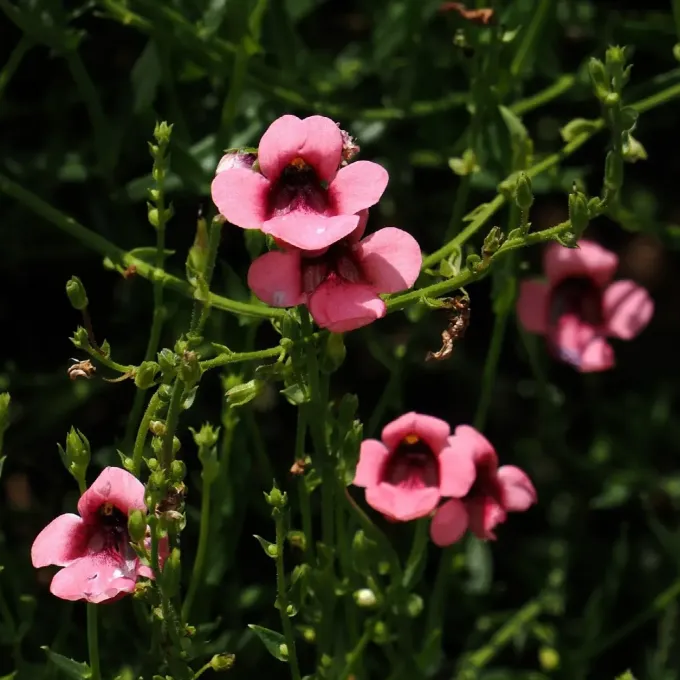
Description
Sowing dates
Diascia integerrima is a member of the Scrophulariaceae family, widely appreciated for its delicate, long-lasting blossoms. Propagation is commonly achieved through seed sowing in late winter or early spring in a greenhouse or indoor environment.
Seeds should be sown on the surface of a fine, moist, and well-draining seed-starting mix. They require light to germinate, so they should be only thinly covered with compost or vermiculite.
Maintain a constant temperature of approximately 18–20 degrees Celsius. Once the seedlings develop their first true leaves, they should be pricked out and transplanted into individual cells to encourage stronger root development.
Hardening off the plants is a crucial step before moving them to their permanent outdoor location. This acclimatization process typically takes about a week, ensuring the plants can withstand the fluctuations of outdoor conditions.
Alternatively, Diascia integerrima can be propagated via softwood cuttings taken in late spring or summer. This method ensures that the new plants are genetically identical to the parent, preserving the specific characteristics of the chosen variety.
Growing requirements
Native to the temperate and sunny regions of South Africa, this plant thrives in full sun. While it can tolerate partial shade, maximum flowering is observed when the plant receives at least six hours of direct sunlight per day.
The soil should be fertile, light, and exceptionally well-drained. Diascia integerrima is sensitive to waterlogged conditions, which can lead to root diseases, so adding grit or sand to heavy garden soil is highly recommended.
Regular irrigation is necessary throughout the growing season, especially during hot spells. However, it is essential to allow the top layer of the soil to dry out slightly between waterings to prevent the development of root rot.
This species performs best in moderate temperatures. While it has some tolerance to light frosts, it is not considered fully hardy in colder climates and is often grown as an annual or overwintered in protected areas.
Applying a liquid fertilizer high in potassium every two weeks during the peak flowering period will significantly boost performance. Deadheading faded flowers also encourages the production of new spikes and prolongs the overall bloom duration.
Main diseases and pests
Aphids are the most frequent pests affecting the growth of this plant. They typically cluster around the tender flower buds and young stem tips, causing stunted growth and leaf curling, which requires immediate insecticide application.
Spider mites can become a significant issue during periods of hot, dry weather. These tiny pests cause yellowing and stippling of the foliage; keeping the plants well-hydrated and providing good air circulation helps to prevent infestations.
Root rot is a major threat caused primarily by poor drainage or overwatering. Once established, this condition is often fatal for the plant, making preventative drainage measures and mindful watering the most important aspects of care.
Powdery mildew may occur if the plants are situated in areas with poor ventilation and high humidity. It manifests as a white, dusty coating on the leaves and can be controlled with proper spacing and fungicidal treatments when necessary.
Slugs and snails can cause damage to the foliage, particularly in damp and cool spring conditions. Protecting young plants with physical barriers or organic bait pellets is recommended to minimize damage during the initial establishment phase.