
Diascia rigescens
Diascia rigescens E. Mey. ex Benth.
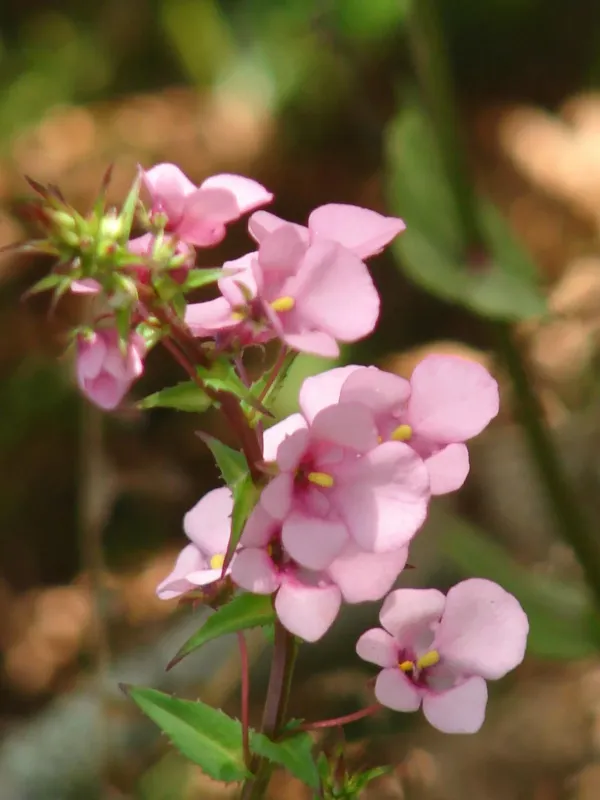
Description
Sowing dates
Diascia rigescens seeds are typically started indoors in late winter or early spring, around February or March. The seeds require light for germination, so they should be sown on the surface of moist compost and not covered, or only very lightly pressed into the soil.
For successful germination, provide a temperature range between 18 and 20 degrees Celsius. Keep the surface consistently moist using a mist sprayer to ensure the tiny seeds do not dry out during the critical development stage.
Once seedlings have developed a few true leaves, they should be pricked out and transplanted into individual pots. This practice encourages robust root growth before the plant is hardened off and moved outdoors.
Transplanting to the final location in the garden should only happen once the danger of frost has completely passed. In many temperate regions, this is during late May or early June.
This species belongs to the Scrophulariaceae family and is prized for its ability to produce a continuous display of delicate, spurred flowers throughout the summer months.
Growing requirements
As a native of South Africa, this plant thrives in positions that receive full sun for most of the day. Proper sunlight exposure is essential to prevent the stems from becoming leggy and to ensure vigorous blooming.
The soil should be light, fertile, and very well-draining. Because the plant is susceptible to root rot, heavy clay soils must be amended with grit or sand to improve structure and drainage capacity.
Watering should be balanced; while the plant enjoys consistent moisture, it must never sit in waterlogged soil. Always allow the top inch of the soil to dry out slightly between watering intervals.
Fertilizing with a balanced liquid fertilizer every two weeks during the active growing season will help maintain the intense flowering performance that the species is known for.
Protection from cold, drying winds is recommended, as the plant's delicate stems can be damaged. In colder climates, it is often treated as a tender perennial or an annual bedding plant.
Yield
The primary use of Diascia rigescens is in ornamental horticulture. It is not an agricultural crop but a high-value plant for landscape design, hanging baskets, and container gardening.
The "yield" in this context is measured by the plant's decorative duration and flower density. With proper deadheading, a single plant can produce a dense, lush carpet of blooms until the first frosts of autumn.
Regular pruning of spent flower spikes is the most critical maintenance task. Cutting back stems by half will encourage the plant to produce a new flush of flowers, effectively doubling the blooming season.
Its spreading habit makes it an excellent candidate for ground cover in front of sunny borders, where it can suppress weeds while providing a consistent carpet of deep pink or coral color.
Nurseries value the plant for its ease of propagation via cuttings or seeds, allowing for the rapid production of stock for spring and summer sales.
Main diseases and pests
Diascia rigescens is generally robust, but it is highly sensitive to excessive moisture, which can trigger fungal root diseases. Proper drainage is the best preventative measure against these threats.
Aphids are the most common insect pests, particularly affecting young, tender growth at the tips of the stems. Early detection is key to preventing stunted growth and leaf distortion.
Spider mites may become an issue during prolonged hot and dry periods. If fine webbing appears on the leaves, the plant should be treated with appropriate acaricides or insecticidal soap.
Prevention is the best approach to plant health. Avoid over-fertilizing with nitrogen, as this encourages soft growth that attracts pests and makes the plant more susceptible to disease.
- Ensure adequate spacing between plants to allow for good airflow.
- Water at the base of the plant to keep the foliage dry and prevent mildew.
- Monitor for pests regularly during the warmest months of the year.