
Diascia personata
Diascia personata Hilliard & B.L. Burtt
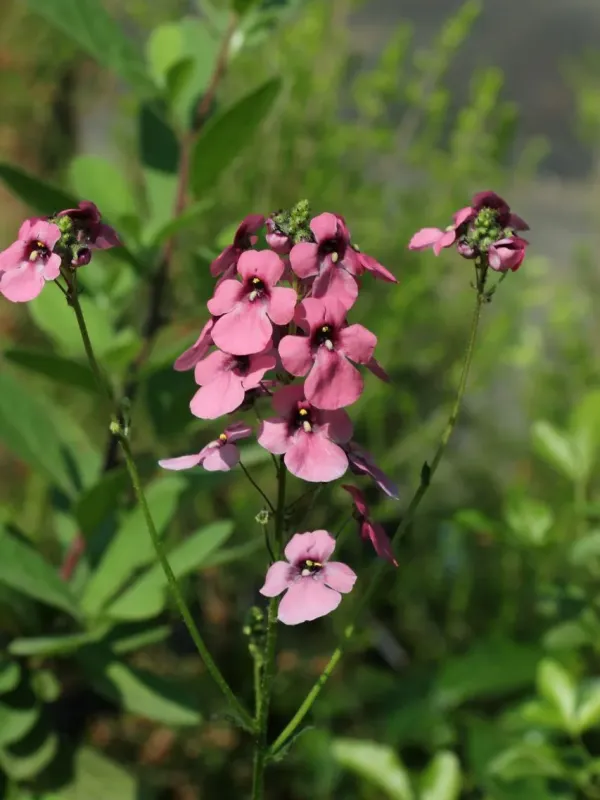
Description
Sowing dates
Sowing of Diascia personata seeds is typically conducted in late winter or early spring within a greenhouse environment to ensure optimal germination rates.
The seeds require surface sowing, as they are light-dependent for germination, and should be pressed gently into a sterile, moisture-retentive seed starter mix.
Maintaining a temperature range of 18–20 degrees Celsius is essential for achieving uniform sprouting of the seeds within a two-week period.
Once the seedlings develop their first true leaves, they should be carefully pricked out into individual pots to avoid competition and promote root vigor.
Hardening off the plants is a crucial step before transplanting them into the final garden location once all danger of frost has passed in late spring.
Growing requirements
Diascia personata is a member of the Scrophulariaceae family, native to the mountainous regions of South Africa, where it thrives in cool to temperate climates.
This species requires well-draining soil conditions; it does not tolerate waterlogging, which often leads to rapid decay of the plant's delicate root system.
For best results, the plant should be positioned in full sun to light shade, as intense sunlight promotes more compact growth and heavier flower production.
Consistent but moderate moisture is required during the growing season; the soil should be allowed to dry slightly between irrigation events to prevent root stress.
The plant benefits significantly from the application of balanced liquid fertilizers every two weeks to sustain its long and prolific blooming cycle.
Main diseases and pests
Aphids are the most common pests affecting this culture, often clustering on the tender new growth and developing flower buds, requiring swift intervention.
Spider mites may become problematic during periods of low humidity and high heat, necessitating regular monitoring and misting or the use of acaricides.
Powdery mildew is a frequent concern when air circulation is poor, particularly in crowded planting beds, making proper spacing an essential preventive measure.
Root rot, driven by Phytophthora or Pythium species, remains the primary threat during excessively wet weather or when using improperly drained potting mixes.
Slugs and snails can cause significant damage to young transplants, so manual removal or appropriate baiting is advised to protect the initial plant establishment.