
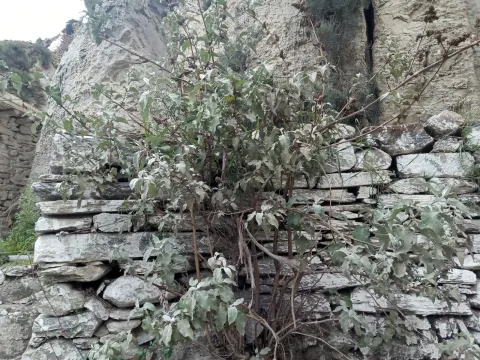
Tibetan butterfly bush
Buddleja tibetica
Tibetan butterfly bush (Buddleja tibetica) is a deciduous perennial shrub belonging to the Scrophulariaceae family. Its native habitat comprises the high-altitude regions of Tibet, where the species has evolved to survive in challenging, mountain-like environmental conditions.
What the section contains
Tibetan butterfly bush
The plant thrives in full sun exposure, which is critical for healthy foliage development and prolific flowering. It is well-adapted to cooler climates and demonstrates significant resilience to drought once the root system has become fully established in the garden soil.
Regarding soil requirements, this species favors well-drained, porous media that prevents water stagnation. It performs best in neutral to slightly alkaline pH soils, making it an excellent candidate for rocky gardens or slopes where soil drainage is naturally efficient.
Cultivation techniques involve annual pruning to encourage new growth and maintain an attractive, tidy shape. It is recommended to prune in early spring, just before the growing season starts, to maximize the number of flower spikes that appear later in the summer.
In terms of agricultural and horticultural use, Buddleja tibetica is highly valued as an ornamental specimen and a potent pollinator magnet. Its ability to tolerate high-altitude stress makes it a durable choice for landscaping in mountainous or temperate regions.
The primary pests affecting this plant include aphids and spider mites, which can become problematic during dry, hot spells. Vigilant monitoring and maintaining adequate hydration levels are effective cultural controls against these infestations.
Fungal diseases, such as leaf spot, may occur if the shrub is planted in areas with poor airflow or if overhead irrigation keeps the foliage excessively wet. Proper pruning ensures ventilation, reducing the susceptibility of the shrub to these common pathogens.