
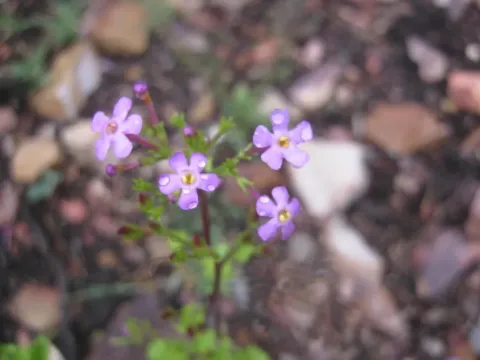
Sutera
Sutera Roth
Sutera seeds are typically sown in late winter or early spring, usually between February and March. The seeds should be spread over the surface of moist soil without burying them, as they require light to germinate effectively.
What the section contains


Sutera
To create a favorable microclimate, the trays should be covered with plastic film or glass. Keeping the environment at a temperature of 20–22 degrees Celsius ensures rapid and uniform germination within about two weeks.
Seedlings should be pricked out once the first pair of true leaves develops. Transplanting them into individual pots encourages stronger root development before the plants are moved to their permanent outdoor location.
Transplanting into the garden or hanging baskets should only occur after all risks of frost have passed. Late May or early June is generally the optimal window for moving these plants outdoors in most temperate climates.
Vegetative propagation via cuttings is best performed in late summer. Rooting these cuttings in a lightweight, sterile substrate helps preserve the genetic traits of the parent plant and prepares it for the next season.
Sutera, a member of the Scrophulariaceae family, requires consistently moist soil conditions. The plants thrive in well-drained media, as waterlogged conditions can quickly lead to root rot and plant collapse.
This culture is light-demanding and performs best in sunny locations. While it can survive in partial shade, the flowering intensity is significantly reduced, and the stems tend to become leggy and less attractive.
A fertile, loose soil with a neutral or slightly acidic pH is ideal for healthy growth. Regular applications of liquid fertilizers designed for flowering plants are essential to sustain blooms throughout the growing season.
Sutera prefers a mild climate and struggles in extreme heat exceeding 30 degrees Celsius. Extended dry periods negatively impact the plant, so maintaining soil moisture levels during hot summer days is crucial.
An important part of the agrotechnical routine is the regular pinching of stems. This practice encourages branching, which results in a denser, bushier plant habit and a higher density of flower buds.
The primary pests affecting Sutera are aphids and whiteflies. These insects feed on plant sap, causing leaves to curl, yellow, and drop, while simultaneously weakening the overall vigor of the plant.
Poor ventilation and overwatering can easily lead to gray mold, a fungal disease. The infection is identified by the appearance of grayish spots on the leaves and stems, which can rapidly rot the plant tissue.
Powdery mildew is another common concern, especially during periods of high humidity and fluctuating temperatures. It appears as a white, powdery dusting on the leaves, severely hindering photosynthesis.
Prevention relies on correct irrigation practices and ensuring good airflow around the plants. Regular monitoring of the foliage helps identify and treat pest outbreaks early with biological or chemical insecticides.
If fungal infections are spotted, immediate application of systemic fungicides is recommended. Affected parts of the plant must be pruned away promptly to prevent the spread of spores to healthy portions.