
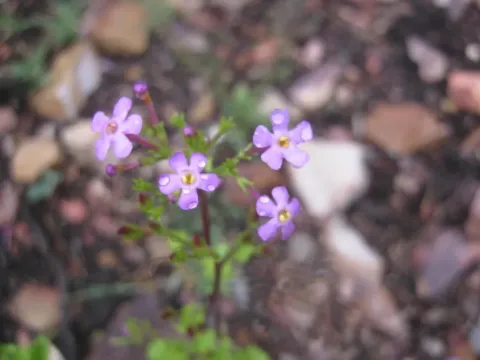
Sutera
Sutera
Sutera, commonly known in horticulture as bacopa, belongs to the Scrophulariaceae family. This perennial herbaceous plant is typically cultivated as an annual in temperate climates due to its low frost tolerance.
What the section contains


Sutera
The plant originates from regions in South Africa. In its natural habitat, Sutera grows in moist areas along riverbanks, which dictates its high demand for regular watering and consistent substrate moisture levels.
For successful growth, Sutera requires a well-lit location protected from harsh midday sun and strong winds. The plant prefers loose, fertile, slightly acidic or neutral soils that provide excellent drainage capacity.
Agrotechnical practices involve systematic application of complex mineral fertilizers during the active growing season, as the plant requires significant energy for abundant and prolonged flowering. Soil should remain consistently moist but free of standing water in the container base.
The agricultural use of Sutera is focused on ornamental horticulture. It is widely used for creating hanging basket arrangements, balcony box decorations, and as a ground cover plant in professional landscaping designs.
The main pests affecting Sutera are aphids, spider mites, and whiteflies, which are particularly active in attacking weakened plants during hot and dry weather conditions. Regular inspection of the leaf undersides and timely insecticide treatment are essential.
Among fungal diseases, root rot is the most dangerous, caused by systematic overwatering and poor aeration of the substrate. To prevent infection, it is recommended to avoid dense planting and ensure proper air circulation around the foliage.