
Verbascum dentifolium
Verbascum dentifolium
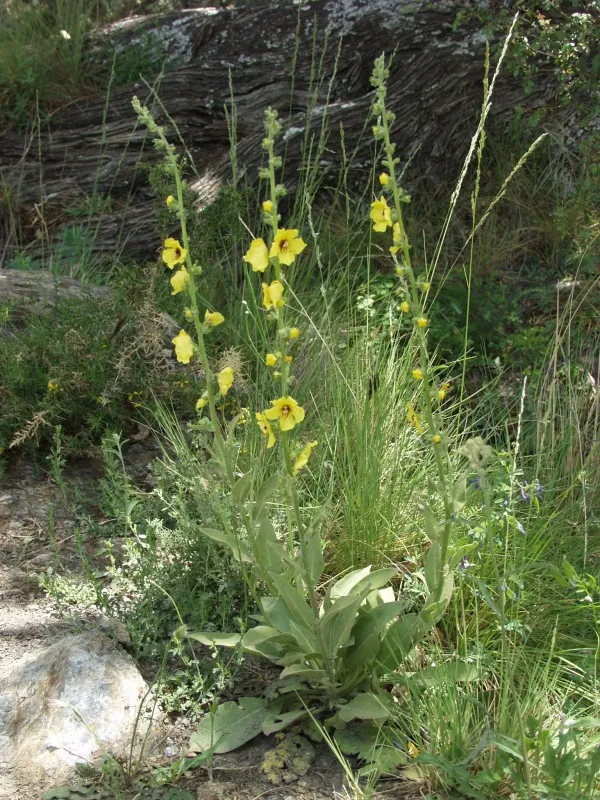
Description
Sowing dates
Verbascum dentifolium is a species of the Scrophulariaceae family. The seeds are typically sown in early spring once the soil temperature reaches at least 10 degrees Celsius, or in late autumn for winter stratification.
Due to the extremely small size of the seeds, they should be sown shallowly, ideally at a depth of 0.5 to 1 centimeter. Proper spacing between rows of 50–60 centimeters is recommended for optimal plant development.
Mixing seeds with dry sand or substrate helps ensure an even distribution during manual or mechanical sowing. Germination usually occurs within two to three weeks under favorable moisture conditions.
As a biennial plant, Verbascum dentifolium focuses on developing a robust basal rosette of leaves in its first year, while the flowering stalk emerges during the second year of growth.
It is essential to thin the seedlings if they emerge too densely, ensuring that each plant has enough space to grow without competing for nutrients and light.
Growing requirements
The plant thrives in full sun, which is necessary for vigorous growth and high concentrations of active compounds. It is remarkably tolerant of drought and poor environmental conditions.
Well-drained soil is crucial for this crop, as it does not tolerate waterlogging. It prefers sandy or loamy soils with a neutral or slightly alkaline pH ranging from 6.0 to 7.5.
While the plant is hardy, it requires minimal fertilizer application. Over-fertilizing with nitrogen can result in excessive leafy growth at the expense of floral development.
Regular weeding and soil aeration during the early stages of development are important, as the young rosettes are relatively slow to grow and can be easily outcompeted by aggressive weeds.
The plant is known for its excellent ability to attract pollinators, which can be an advantage for biodiversity within the surrounding agricultural ecosystem.
Main diseases and pests
Common pests include various species of caterpillars and leaf beetles, which feed on the foliage and can damage the structural integrity of the plant during the growing season.
Fungal diseases, such as leaf spot and powdery mildew, are the primary threats, especially when planting density is too high or if the harvest area lacks adequate ventilation.
Root rot may occur in improperly drained soils. Avoiding heavy, waterlogged clay soils is the most effective preventative measure against these types of infections.
Implementing a proper crop rotation plan is essential to minimize the buildup of soil-borne pathogens and pests associated with the Scrophulariaceae family.
Regular monitoring of the field is recommended, especially during humid weather, to detect early signs of fungal infection and apply appropriate corrective measures.
Harvesting
Harvesting should focus on the corollas of the flowers, which are collected during dry weather after the morning dew has evaporated to ensure the highest quality of the final product.
The collected material must be dried immediately in a shaded, well-ventilated area or using low-temperature dryers, keeping the heat below 45 degrees Celsius to preserve the active ingredients.
The yield of dry material varies based on environmental conditions and soil fertility. Consistent manual labor is often required to ensure that only the highest quality blooms are harvested.
Properly cured flowers should retain their bright yellow color and delicate aroma, indicating that the drying process was successful and the storage conditions are correct.
Once dried, the product should be packed in airtight, light-proof containers or paper bags and stored in a cool, dry place to maintain its potency over time.