
Verbascum acaule
Verbascum acaule
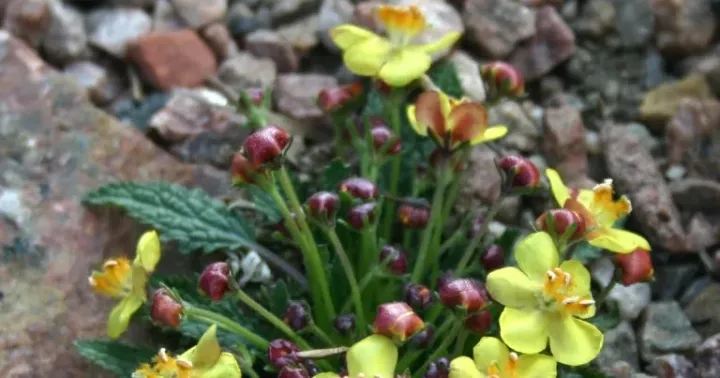
Description
Growing requirements
Verbascum acaule, known as the stemless mullein, belongs to the Scrophulariaceae family. It is a distinctive species endemic to specific mountainous regions, primarily located in Greece.
The plant is biologically defined by its lack of an aerial stem, resulting in a low-growing rosette of leaves. This growth habit serves as a vital adaptation to the harsh, wind-exposed environment of alpine meadows.
It requires intense solar exposure to thrive, making it an ideal candidate for rock gardens that mimic high-altitude slopes. Inadequate light leads to etiolation and weakens the plant's structural integrity.
The soil profile must be stony, nutrient-poor, and extremely well-draining. The root system is adapted to penetrate crevices, so container cultivation requires a specific porous substrate to prevent waterlogging.
Economically, the species is primarily valued by alpine plant enthusiasts and botanical collectors. Its chemical composition also suggests potential for further research into its therapeutic properties within traditional medicinal frameworks.
Main diseases and pests
Root pathogens represent the most significant threat to the survival of Verbascum acaule, particularly when the plant is grown outside its native dry climatic range.
Excessive soil humidity creates a perfect breeding ground for various fungi that cause crown rot, which can destroy the root system in a very short period.
Insect pests such as leaf-eating larvae can cause damage to the rosette foliage, making the plant unsightly and reducing its ability to photosynthesize effectively.
Powdery mildew may occur if the plants are kept in stagnant air conditions with insufficient ventilation, a common issue in greenhouse or nursery cultivation.
Effective management includes maintaining a dry, gritty soil surface around the crown and ensuring proper air circulation to keep the foliage dry at all times.