
Verbascum barnadesii
Verbascum barnadesii
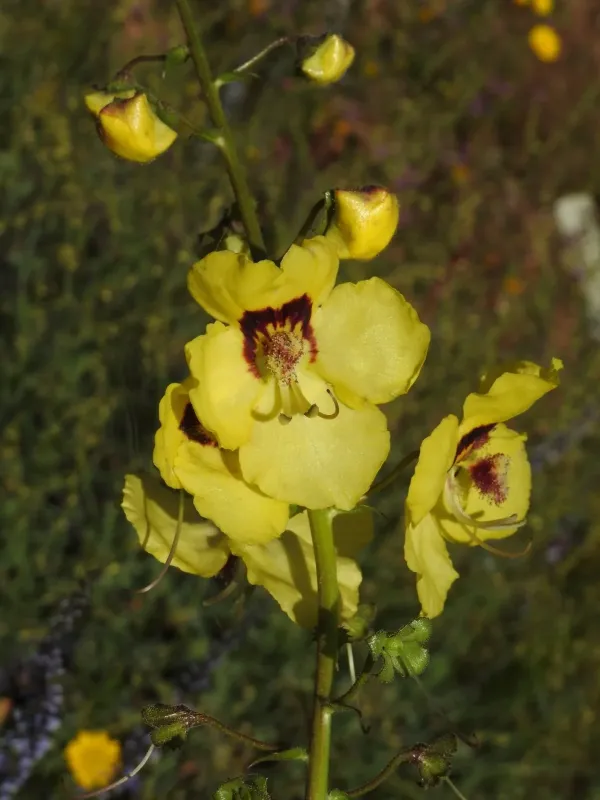
Description
Sowing dates
Verbascum barnadesii is a perennial herbaceous plant belonging to the Scrophulariaceae family. In agricultural practice, seeds are typically sown in late autumn or early spring once the soil temperature is stable.
The seeds are exceptionally small, requiring shallow sowing at a depth of no more than 0.5 to 1 centimeter. Proper seedbed preparation is essential to ensure consistent soil contact and successful germination.
For commercial plantations, a row-spacing of 45 to 60 centimeters is recommended. This spacing allows for proper weed management and ensures sufficient aeration to prevent fungal development among the dense foliage.
During the first year of growth, the plant focuses on establishing a strong vegetative rosette. The reproductive stalk, which produces the desired medicinal flowers, typically develops in the second year.
Proper plant density, ranging from 40,000 to 60,000 plants per hectare, is crucial for maximizing yield. Excessive density can lead to nutrient competition and delayed development of the flower spikes.
Growing requirements
This species is highly photophilous and requires full sun exposure for optimal growth and synthesis of secondary metabolites. Shaded environments negatively impact the plant's medicinal quality and morphology.
Soil requirements include well-drained, loose substrates such as sandy loam or loam. The plant is sensitive to waterlogging, which can cause crown rot and plant mortality during the wet seasons.
Verbascum barnadesii shows impressive drought tolerance once established, thanks to its deep taproot system. However, consistent moisture during the early vegetative phase significantly improves long-term productivity.
The plant thrives in soils with neutral to slightly alkaline pH levels. Regular application of potassium and phosphorus-based fertilizers during the bud development stage helps improve stem strength.
The species is well-adapted to temperate climates, displaying significant hardiness against cold temperatures. This adaptability makes it a versatile choice for cultivation across various temperate regions.
Yield
The primary harvest target is the flower, which is highly valued for its medicinal properties. The yield per hectare depends heavily on the plantation age and the intensity of care provided during the season.
A typical harvest can range from 500 to 800 kilograms of dried flowers per hectare. Selective harvesting is required, as flowers on the spike do not bloom simultaneously throughout the blooming period.
Maximum productivity is typically observed in the second and third years of the plantation. After this period, professional growers often plan for site renewal to maintain high crop quality and health.
The efficiency of the harvest is dictated by the timing of the pick. Harvesting during peak sunlight hours ensures the highest concentration of essential oils and other active botanical compounds.
Logistics for post-harvest management must be prepared in advance, as the delicate nature of the petals requires immediate processing to avoid spoilage and loss of pharmaceutical value.
Main diseases and pests
Fungal diseases, including powdery mildew and various leaf spots, are the most significant threats to plantation health. These are exacerbated by high humidity and insufficient air circulation between plants.
Pests such as cutworms and other leaf-eating caterpillars can damage the plant rosette. Integrated pest management strategies are advised to minimize damage while maintaining the crop's medicinal purity.
Avoiding rotation with other Scrophulariaceae family members is a standard practice to prevent the accumulation of soil-borne pathogens and ensure a healthy crop cycle year after year.
Monitoring for signs of distress, such as leaf yellowing or stunted growth, allows for early intervention. Using natural or bio-based treatments is preferred to comply with high quality standards.
- Regular weeding of rows to reduce competition.
- Providing adequate ventilation in dense plantings.
- Early detection and removal of infected plant tissues.
- Use of resistant varieties where available.
Harvesting
Harvesting should occur on dry, sunny days after the morning dew has evaporated. Flowers are picked by hand, as mechanical harvesting can cause bruising and reduce the product's market value.
Immediate drying is essential after harvesting. The drying process should take place in shaded, well-ventilated areas or in temperature-controlled dryers kept below 45 degrees Celsius to preserve active ingredients.
Dried flowers should maintain their shape and color, appearing vibrant rather than brown or scorched. The final moisture content should be kept around 10-12 percent to ensure long-term stability.
Storage must occur in a clean, dark, and dry environment. Utilizing breathable containers like paper bags or wooden crates helps prevent mold growth while maintaining the integrity of the flowers.
Strict quality control protocols during the packaging process are necessary to ensure the final product meets the required industry specifications for herbal medicines and dietary supplements.