
Verbascum conocarpum
Verbascum conocarpum
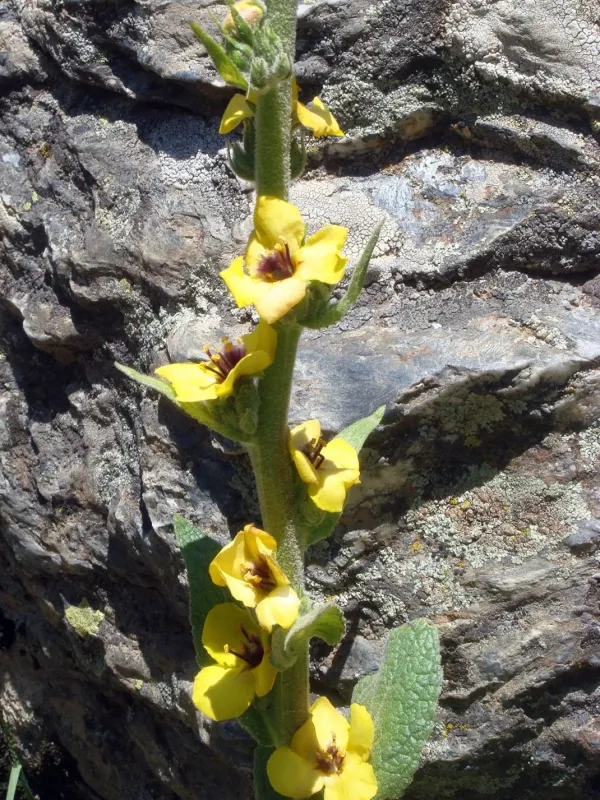
Description
Growing requirements
Verbascum conocarpum is a perennial herb belonging to the Scrophulariaceae family. It is recognized for its unique botanical structure and high adaptive capacity, often thriving in rocky mountain regions and sun-drenched landscapes.
The crop requires well-drained, porous soils to prevent root rot. It performs exceptionally well on limestone-based soils, which provide the necessary mineral balance for optimal vegetative growth and active ingredient concentration.
Sunlight is a non-negotiable requirement for this species. It is a heliophilic plant, meaning it demands full exposure to direct sunlight to ensure healthy development and to prevent the etiolation of the flower stalks.
Climatic requirements focus on moderate temperature cycles. The species exhibits strong frost tolerance, though it remains sensitive to excessive moisture during dormant periods, necessitating good field drainage strategies.
Economically, this plant is primarily utilized in the pharmaceutical industry. The leaves and flowers are rich in compounds like mucilage and saponins, which are processed into medicinal teas, syrups, and extract formulations for respiratory health.
Main diseases and pests
The primary threats to Verbascum conocarpum include fungal pathogens, most notably powdery mildew. This disease typically thrives in stagnant air conditions, making proper plant spacing essential for crop health.
Insect pests such as aphids and various lepidopteran larvae pose a significant risk during the vegetative stage. These pests feed on succulent tissues, which can significantly stunt the growth and quality of the medicinal harvest.
Root system pests, particularly wireworms, can damage the crop, especially in newly broken ground. Integrated pest management, including crop rotation and soil testing, is crucial for mitigating these risks.
Excessive nitrogen fertilizer application often creates overly lush growth, which ironically makes the plant more susceptible to both insect infestations and fungal infections. A balanced nutritional program is required.
Harvest hygiene is vital to prevent disease carry-over. Post-harvest, all debris must be cleared from the field to disrupt the life cycles of pathogens and pests that survive in crop residues.