
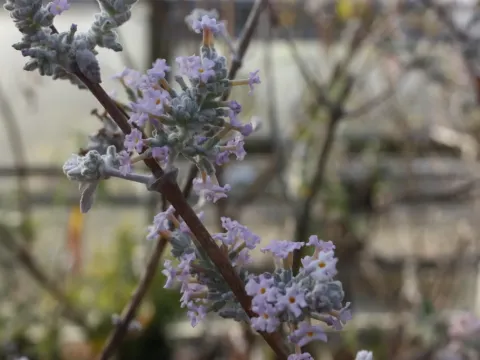
Stern's Butterfly Bush
Buddleja sterniana
Stern's Butterfly Bush (Buddleja sterniana) is a deciduous perennial shrub belonging to the Scrophulariaceae family. Originating from the mountainous regions of China, it is well-adapted to rocky terrains and forest edges.
What the section contains
Stern's Butterfly Bush
This species thrives in full sun exposure, requiring at least six hours of direct sunlight daily to produce abundant blooms. Well-draining, fertile soil with a neutral to slightly alkaline pH is essential for healthy development.
The plant has specific moisture requirements; it needs regular watering during the active growth phase, especially in hot summer months. However, ensuring a soil structure that prevents waterlogging is crucial for root health.
Regarding climate, Buddleja sterniana is sensitive to extreme frost. In cooler zones, it requires thick organic mulch around the base and protective covering during winter to prevent dieback of the primary stems.
In landscaping, it is used primarily as an ornamental specimen. Its nectar-rich flowers make it a cornerstone plant for butterfly gardens, significantly increasing the local biodiversity and aesthetics of the site.
Fungal diseases, such as root rot and leaf spots, are the primary health threats, often triggered by poor site drainage or high humidity. Maintaining proper spacing between plants ensures better air circulation.
Insect pests, including spider mites, aphids, and whiteflies, frequently infest the plant during prolonged dry spells. These pests damage the foliage and can lead to stunted growth if left unmanaged.
Management of these threats involves the strategic use of horticultural oils and systemic insecticides. Early detection through regular monitoring is the most effective way to prevent large-scale infestations.
Cultural control is a vital aspect of protection; this includes pruning dead or diseased branches to keep the center of the shrub open. Healthy, well-nourished plants are significantly more resistant to environmental stressors.
By monitoring the overall vigor of the shrub, growers can apply fertilizers balanced for foliage and flowering, which supports the plant's natural defense mechanisms against common pests and environmental pathogens.