
Snow mullein
Verbascum niveum
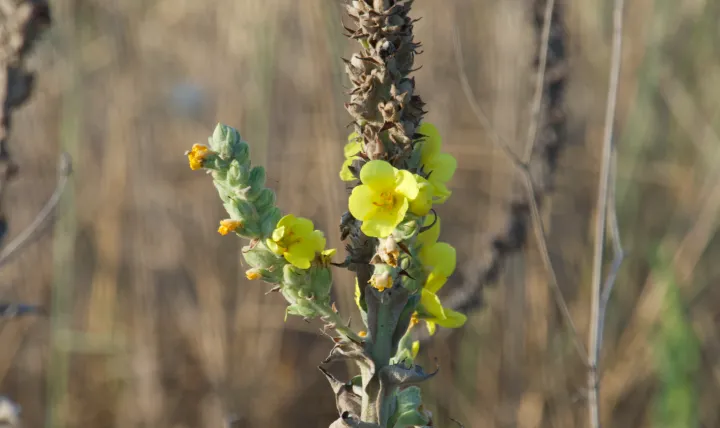
Description
Sowing dates
Snow mullein (Verbascum niveum) is typically propagated by seeds, which are quite small and require light for germination. When sowing, seeds should be scattered thinly over the soil surface and gently pressed down without covering them with a thick layer of substrate.
For best results, sow in early spring after the danger of frost has passed or in early autumn. When starting indoors, use seed trays in March, ensuring a germination temperature of approximately 20 degrees Celsius to promote uniform emergence.
Seedlings usually emerge within two to three weeks. It is crucial to maintain consistent moisture during this period while providing adequate light to prevent the plants from becoming leggy and weak.
As the plant is prone to self-seeding, careful monitoring is needed if you want to prevent it from spreading throughout the garden. Deadheading the spent flower stalks before seed maturation effectively manages this process.
Transplanting young seedlings should be done with care because of their long taproot. Using biodegradable pots is recommended to minimize root disturbance during the transfer to the garden bed.
Growing requirements
Belonging to the Scrophulariaceae family, the snow mullein is highly drought-tolerant and thrives in lean, well-draining soils. It performs best in sandy or gravelly conditions where water does not linger near the root zone.
Full sun is essential for this species. Bright light is required not only for vigorous flowering but also to maintain the striking, dense white felted coating on its leaves, which is its primary ornamental feature.
Soil fertility should be kept moderate. Excessive nitrogen application promotes lush vegetative growth at the expense of flower development and can make the plant more susceptible to winter rot in colder climates.
Maintenance is relatively simple, requiring only occasional watering during prolonged drought and the removal of dried-up lower leaves in early spring. The plant is hardy and typically requires no winter protection.
Due to its vertical form and unique foliage texture, snow mullein is an excellent choice for xeriscapes, rock gardens, and borders that receive significant sun exposure throughout the growing season.
Main diseases and pests
The primary threat to the health of Verbascum niveum is excessive soil moisture or poor drainage, which leads to root and crown rot. Improving site drainage is the most effective preventative measure against these fungal issues.
Common pests include caterpillars, which can rapidly defoliate the leaves, and aphids, which often congregate on the flower spikes during hot, dry weather. Regular inspections during the peak growing season are advised.
If pest populations exceed tolerable levels, insecticidal soaps or neem-based treatments are effective control methods. It is best to apply these treatments early in the morning to avoid impacting beneficial insects.
Powdery mildew can occur if air circulation is poor, particularly in humid climates. Planting specimens at the correct spacing helps ensure adequate airflow around the rosette, significantly reducing disease risks.
Maintaining a clean garden environment by removing dead debris at the end of the season prevents potential overwintering sites for both pests and fungal spores, promoting a healthier start for the following year.