
Rodgersia
Rodgersia
Rodgersia is a genus of herbaceous perennials belonging to the Saxifragaceae family. These plants are widely recognized in horticulture for their massive, architectural foliage and tall, plume-like inflorescences that provide a dramatic visual impact.
What the section contains


Rodgersia
The plant is native to East Asia, specifically the temperate regions of China, Japan, and Korea. In their natural habitat, they are found thriving in moist forest clearings, damp mountainous areas, and along the edges of mountain streams.
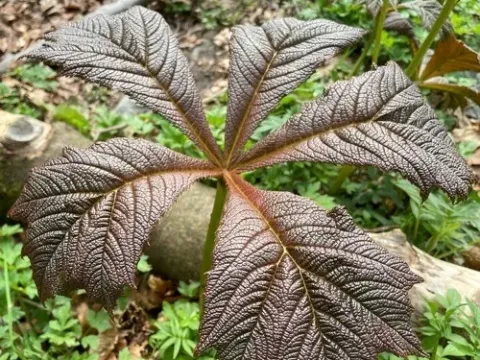
Botanically, Rodgersia develops through creeping rhizomes, allowing for steady expansion. The leaves are typically compound, palmate, or pinnate, often displaying a rugged, deeply veined texture that makes the plant stand out in any garden setting.
Successful cultivation requires soil that is consistently moist, fertile, and rich in organic matter. While they prefer shade or partial shade, the site must be sheltered from hot, desiccating winds to prevent leaf scorching and excessive transpiration.
The primary use of Rodgersia is in ornamental landscaping. It is frequently employed as a focal point in shade gardens, as a border plant near water features, or as an understory element in woodland-style garden design schemes.
Slugs and snails represent the primary pest threat to Rodgersia, particularly in early spring when the new, tender shoots emerge. Implementing integrated pest management strategies is recommended to protect the integrity of the foliage during the growth season.
Fungal diseases, such as leaf spot or powdery mildew, can occur if the plants are situated in areas with poor airflow or high humidity levels. Proper spacing during the planting phase is a critical cultural practice to mitigate these risks effectively.