
Rodgersia sambucifolia
Rodgersia sambucifolia
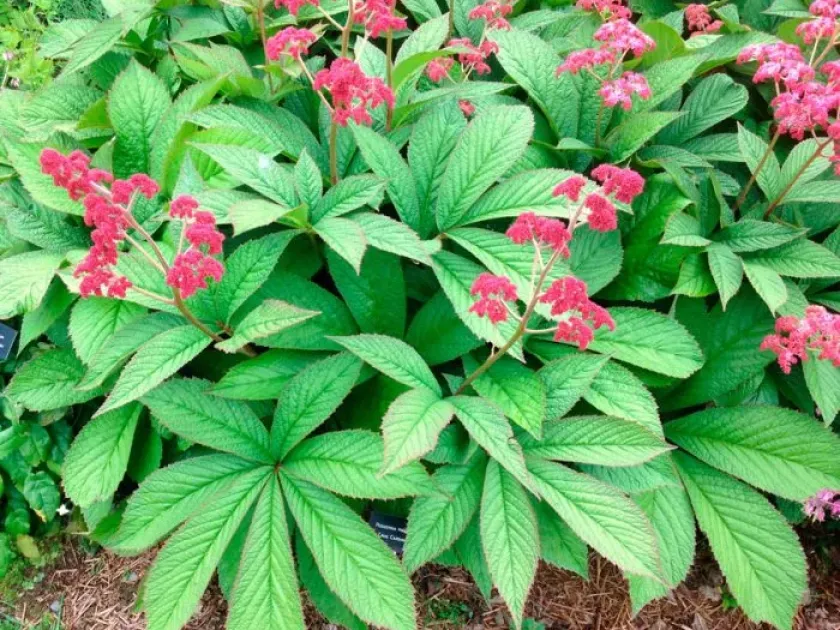
Description
Sowing dates
Propagation of Rodgersia sambucifolia is primarily done through division of rhizomes. The ideal time for this procedure is early spring or late autumn when the plant enters dormancy, ensuring the division takes root before the heat of summer.
When dividing, one should ensure that each segment contains at least one healthy growth bud. The roots are thick and fleshy, requiring careful handling to avoid breakage and infection. Dusting cut surfaces with charcoal helps prevent decay.
Seeds can also be used for propagation but require a period of cold stratification to break dormancy. Sowing should be done in late autumn in a cool greenhouse or outdoors, allowing nature to provide the necessary temperature fluctuations.
Planting depth should be shallow, about 5 centimeters below the soil surface, with growth buds facing upwards. Spacing is crucial, as the plant spreads over time; placing plants at least 60–70 centimeters apart is recommended for optimal growth.
Newly planted divisions must be kept consistently moist until established. A light shade covering can be beneficial during the first few weeks to protect the divisions from drying out before the root system fully develops.
Growing requirements
Rodgersia sambucifolia belongs to the Saxifragaceae family and is native to the mountainous forests of China. Its common name refers to the distinctive pinnate leaves that bear a striking resemblance to the foliage of elderberry (Sambucus).
The plant thrives in deep, humus-rich, and constantly moist soil. It is an ideal candidate for bog gardens, pond margins, or areas of the garden that naturally retain moisture throughout the summer growing season.
Shade or semi-shade is essential for maintaining the health of the foliage. In full sun, the leaves tend to scorch and turn brown at the edges, losing their decorative appeal, especially in regions with hot, dry summers.
Cultural practices include regular mulching with leaf mold or compost. This practice mimics the natural forest floor conditions, keeps the soil cool, helps retain essential moisture, and provides long-term nutrients to the plant.
Although it is hardy, in areas with harsh winters and little snow, providing a winter mulch of dry leaves or straw protects the crowns of the plants. This ensures vigorous growth when the temperatures rise again in the spring.
Main diseases and pests
Rodgersia is generally a robust plant, but it is not entirely immune to problems. Poor drainage is the most significant threat, as stagnant water often leads to root rot, which can kill the plant if not addressed quickly.
Slugs and snails are the most frequent pests, particularly in damp environments which the plant prefers. These mollusks can cause significant cosmetic damage to the foliage, necessitating the use of biological or chemical deterrents.
Fungal leaf spot diseases can occur if air circulation is poor or if the foliage remains wet for extended periods in humid conditions. Removing infected leaves promptly helps limit the spread of the pathogen to healthy parts of the plant.
Spider mites may occasionally infest the plant during prolonged dry spells. While they are usually a secondary problem, checking for fine webbing on the undersides of the leaves can help identify an infestation early enough for treatment.
Maintaining a clean garden bed by removing leaf litter and debris at the end of the season reduces the habitat for many pests. Ensuring proper spacing also allows for airflow, which is a key preventative measure against most fungal issues.