
Piedmont saxifrage
Saxifraga pedemontana
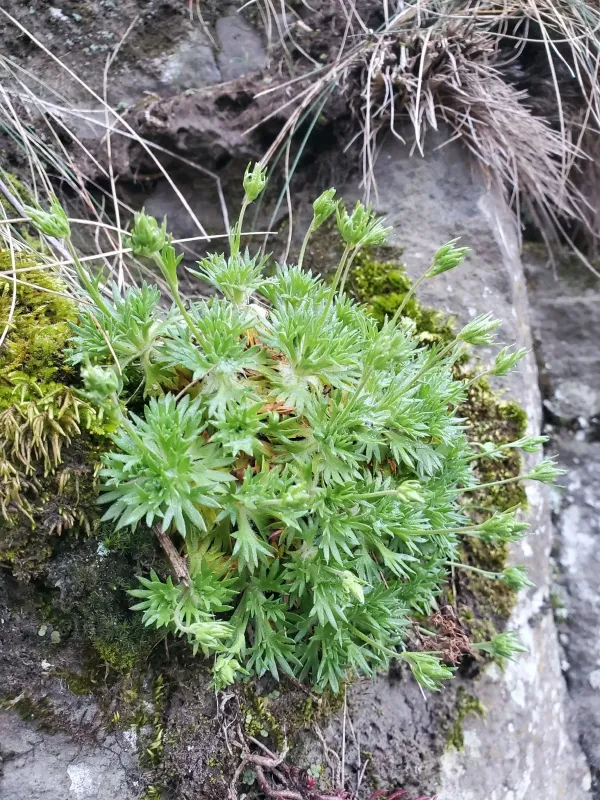
Description
Sowing dates
Propagation of Piedmont saxifrage is primarily achieved through seeds or vegetative division of the root clump. Seeds are sown in late winter or early spring in containers filled with light, well-draining substrate.
Surface sowing is highly recommended for these seeds, as they require light exposure to germinate, so they should not be deeply buried within the growing medium.
To ensure successful stratification, the seed trays are typically placed in a cool area for several weeks, mimicking the natural environmental conditions of their native mountain habitats.
Vegetative propagation via cuttings or offsets is performed after the active flowering period, ensuring that the plantlets receive adequate humidity and shading while establishing their root systems.
Transplanting the hardened seedlings into the open ground at their permanent location is best conducted in early summer after the threat of frost has passed, maintaining sufficient spacing.
Growing requirements
Piedmont saxifrage, a member of the Saxifragaceae family, is a typical representative of the Southern European alpine flora, which dictates its specific environmental requirements for healthy growth.
The plant thrives in well-lit areas but requires light shading during the hottest parts of the summer day to prevent the sensitive rosettes from suffering from heat stress.
The soil for this species must be rocky, alkaline or neutral in reaction, and crucially, it must feature an effective drainage layer to prevent water logging around the roots.
Adapted to the cool and moist climates of its natural range, the plant requires balanced irrigation in garden settings, avoiding any excess moisture that could lead to fungal issues.
The species exhibits high winter hardiness; however, it must be protected from winter thaws and the formation of ice crusts, which can cause the crown of the plant to rot.
Main diseases and pests
The primary threats to Piedmont saxifrage include various fungal diseases triggered by excessive soil moisture and poor airflow within the basal region of the plant rosettes.
Root rots and leaf spotting are frequently encountered when cultivation practices are neglected, specifically due to inadequate drainage or overly dense planting arrangements.
Among pests, slugs and snails are the most damaging, as they often feed on the succulent leaves and rosettes during periods of high humidity and rainy weather.
Occasional infestations by aphids or spider mites are possible, particularly if the plant's health has been compromised by unfavorable environmental stress factors.
Disease prevention is managed through strictly monitored watering schedules, the removal of dead foliage, and consistent weeding to maintain an open and healthy growing environment.