
Rodgersia aesculifolia
Rodgersia aesculifolia
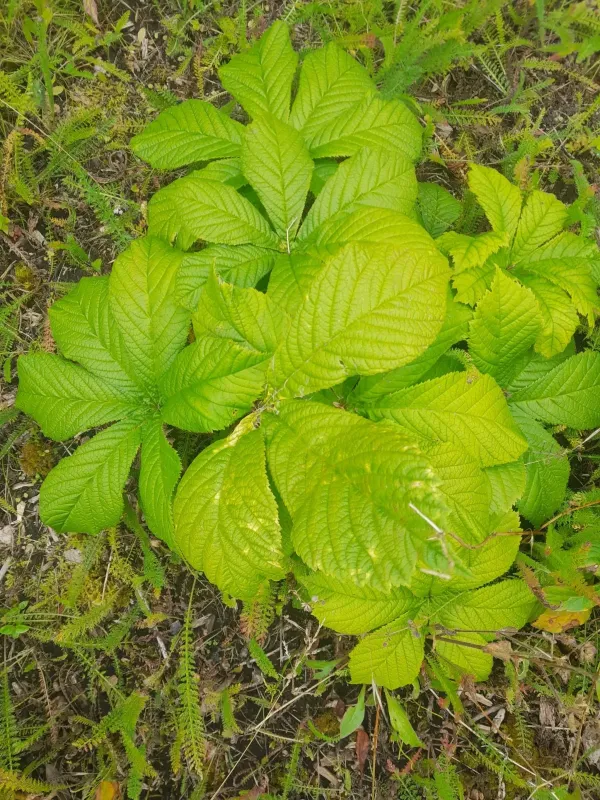
Description
Sowing dates
Rodgersia aesculifolia is a perennial plant of the Saxifragaceae family, valued for its spectacular foliage and height. Propagation is predominantly vegetative, achieved by dividing mature clumps in early spring or late summer.
When dividing, ensure that each portion of the rhizome has at least one or two healthy dormant buds. The sections should be planted immediately in well-prepared soil and watered thoroughly to ensure successful establishment.
While seed propagation is possible, it requires a cold stratification period of several weeks. Seeds are sown in a light, moist substrate and kept at cool temperatures, though seedlings often grow slowly during the first year.
The spacing for mature plants should be approximately 60–80 cm apart. This distance allows for optimal air circulation and provides enough room for the large, palmately lobed leaves to display their full beauty.
Proper planting depth is essential; the crown or buds should remain just at the soil surface. Deep planting can cause the crown to rot, especially in soils that retain a high level of moisture.
Growing requirements
Native to high-altitude regions of China, Rodgersia aesculifolia thrives in environments with cool, moist, and fertile soil. It is an ideal plant for partially shaded areas of the garden, particularly near ponds or stream banks.
The soil must be rich in organic matter, such as leaf mold or well-rotted compost. The plant prefers slightly acidic to neutral soil pH, which helps maintain the vibrancy of its deep green, bronze-tinged foliage.
Sunlight exposure is a critical factor for success. While the plant can handle some light, protection from the harsh afternoon sun is necessary to prevent leaf scorch and dehydration of the large, delicate blades.
Consistent soil moisture is paramount. This plant does not tolerate dry conditions well, and prolonged drought can cause the leaves to wilt or become stunted. Mulching with organic material helps maintain moisture levels.
Winter hardiness is reliable in temperate climates. However, in regions prone to severe frost without snow cover, applying a layer of protective mulch around the base of the plant is recommended to safeguard the crown.
Main diseases and pests
Snails and slugs are the primary pests of Rodgersia aesculifolia. They find the large, succulent leaves very attractive, especially in early spring when the plant is just emerging from its winter dormancy.
Fungal issues, such as leaf spots, may occur if the foliage remains wet for extended periods in humid, stagnant air. Proper site selection that allows for good air movement helps reduce these risks.
Root rot is a potential threat if the plant is grown in waterlogged soil with inadequate drainage. Ensuring the planting site has good soil structure is the best preventative measure against root pathogens.
Minor leaf yellowing can sometimes occur due to mineral deficiencies if the soil is overly alkaline. Regular additions of compost or organic fertilizers usually rectify these issues and support robust growth.
Overall, the plant is remarkably hardy and low-maintenance once it has settled into its preferred environment. Early detection and standard garden hygiene are usually sufficient to prevent significant damage.