
Rodgersia podophylla
Rodgersia podophylla
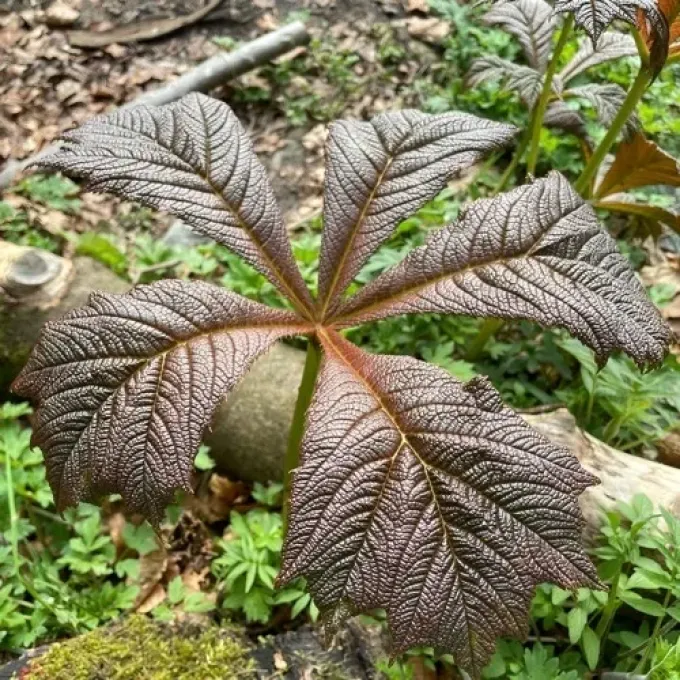
Description
Growing requirements
Rodgersia podophylla, belonging to the Saxifragaceae family, is an architectural perennial noted for its large, palmately divided leaves and tall, feathery inflorescences. Originating from the damp woodlands of Japan and Korea, it serves as a staple in ornamental gardening.
The plant thrives in partial to full shade, making it an excellent choice for woodland gardens or north-facing landscape areas. Protection from harsh midday sun is crucial to prevent leaf scorch and maintain the integrity of the foliage throughout the growing season.
Optimal growth requires rich, moisture-retentive, and humus-rich soil. While the plant appreciates damp conditions, it performs best in soils that are well-drained but never allowed to dry out completely, simulating its natural riparian or forest-floor habitat.
Cultural practices involve generous mulching to keep the roots cool and moist. In regions with low humidity or insufficient rainfall, supplementary irrigation is essential to ensure the plant remains vigorous and attractive from spring through autumn.
As a long-lived perennial, Rodgersia podophylla requires minimal intervention once established. Dividing the clumps every few years helps to rejuvenate the plant and prevent overcrowding in dense garden borders.
Main diseases and pests
Slugs and snails are the most common pests, particularly during wet spring seasons. They feed on the young, emerging foliage, creating irregular holes that detract from the plant's structural beauty.
Root rot remains a potential threat in poorly drained soils. Ensuring that the planting site has adequate aeration is the most effective way to prevent soil-borne pathogens from compromising the health of the rhizomes.
Leaf burn is a physiological disorder often confused with disease. This occurs when the plant is exposed to excessive light or drought, causing the foliage to turn brown at the margins and become brittle.
Frost damage can affect new spring growth if temperatures drop suddenly. While mature plants are generally hardy, providing a protective layer of mulch can buffer against late-season temperature fluctuations.
Good garden hygiene, such as removing dead foliage at the end of the season, reduces the risk of fungal spores overwintering. Vigilant observation during the active growing phase allows for timely intervention against common pests.